


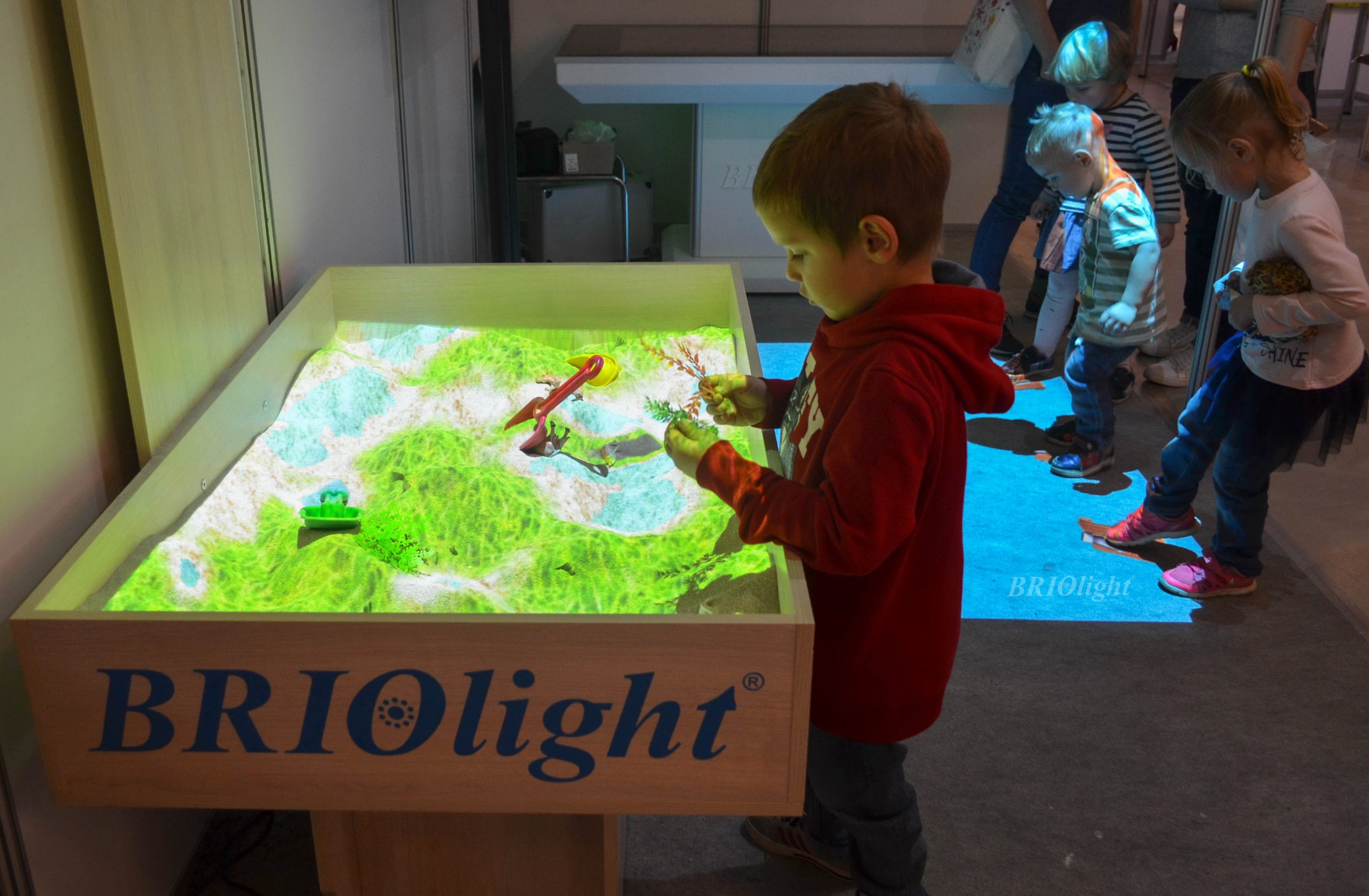
3D mapping is an audiovisual technique that projects images and video onto physical surfaces. Projection mapping has transformed advertising, education, rehabilitation and entertainment by making ordinary surfaces part of a visual experience.
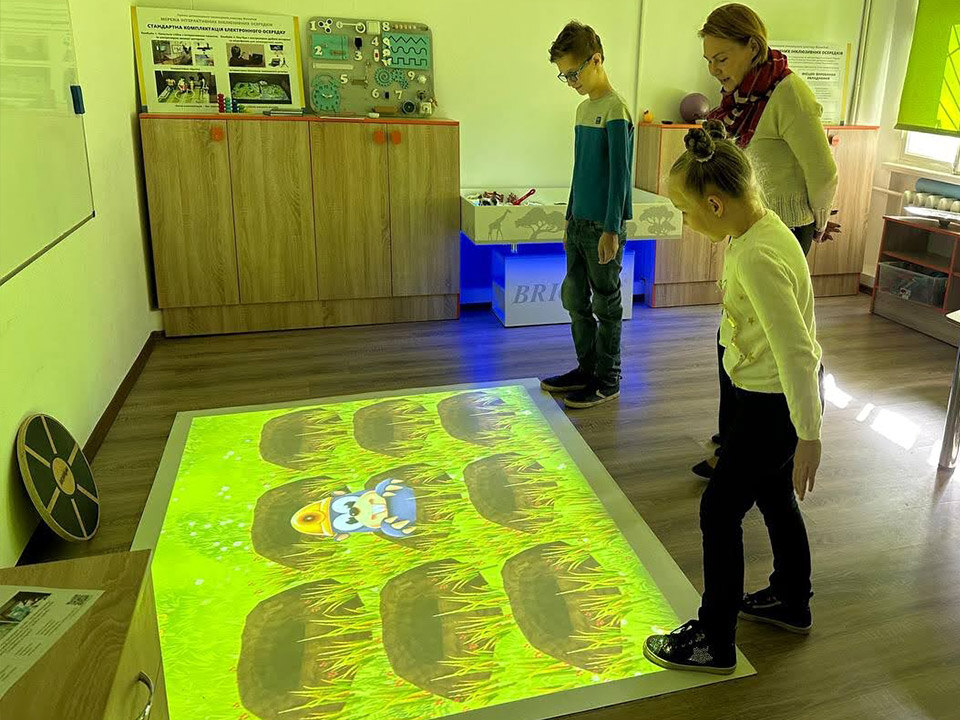
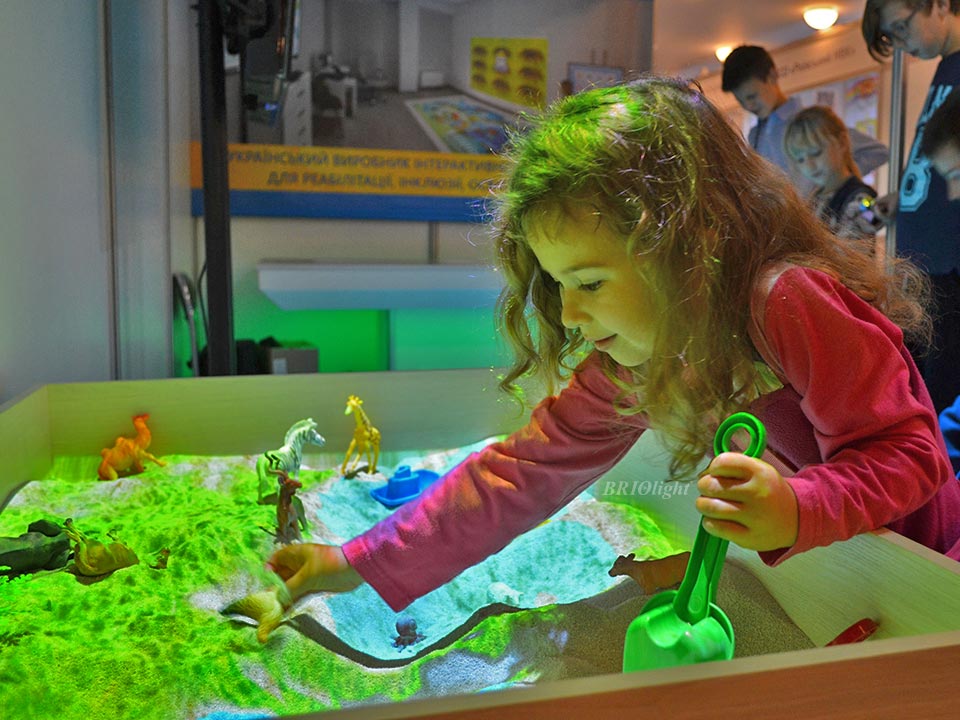
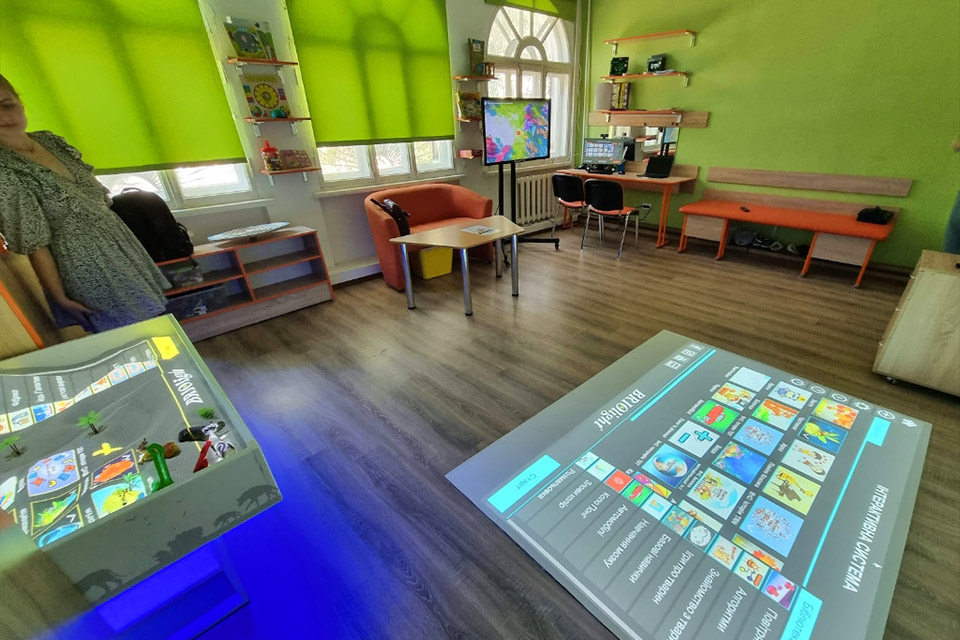
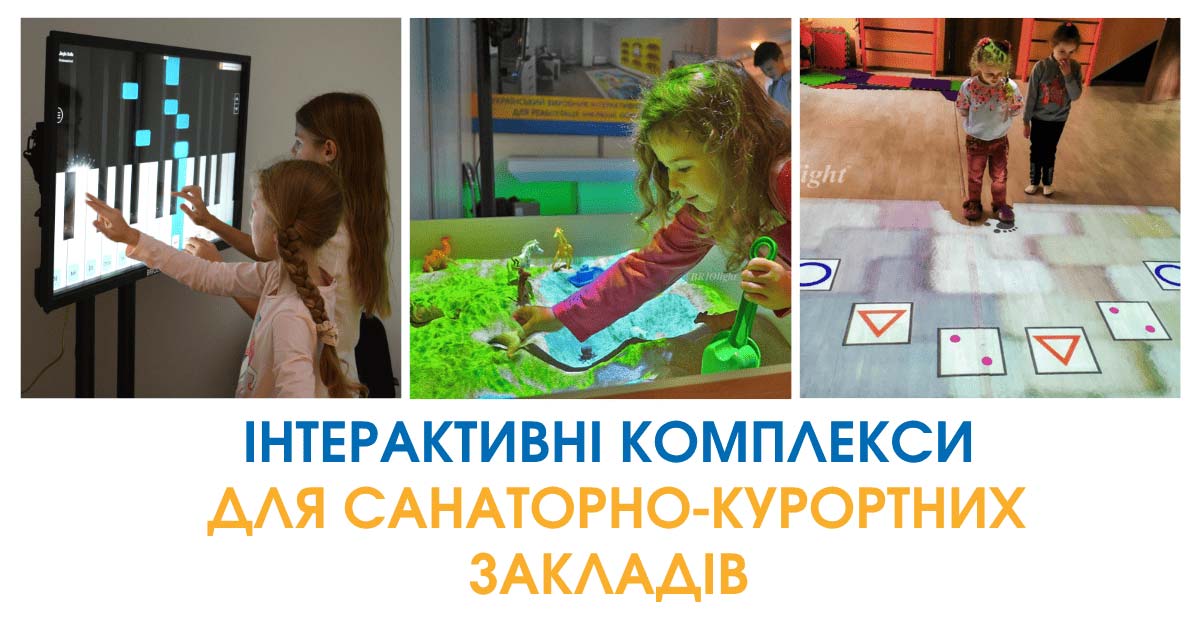
Briolight develops projection-based products including an interactive floor and an interactive sandbox. These systems are created by Briolight's own multidisciplinary team of designers, programmers, educators, speech therapists and psychologists.
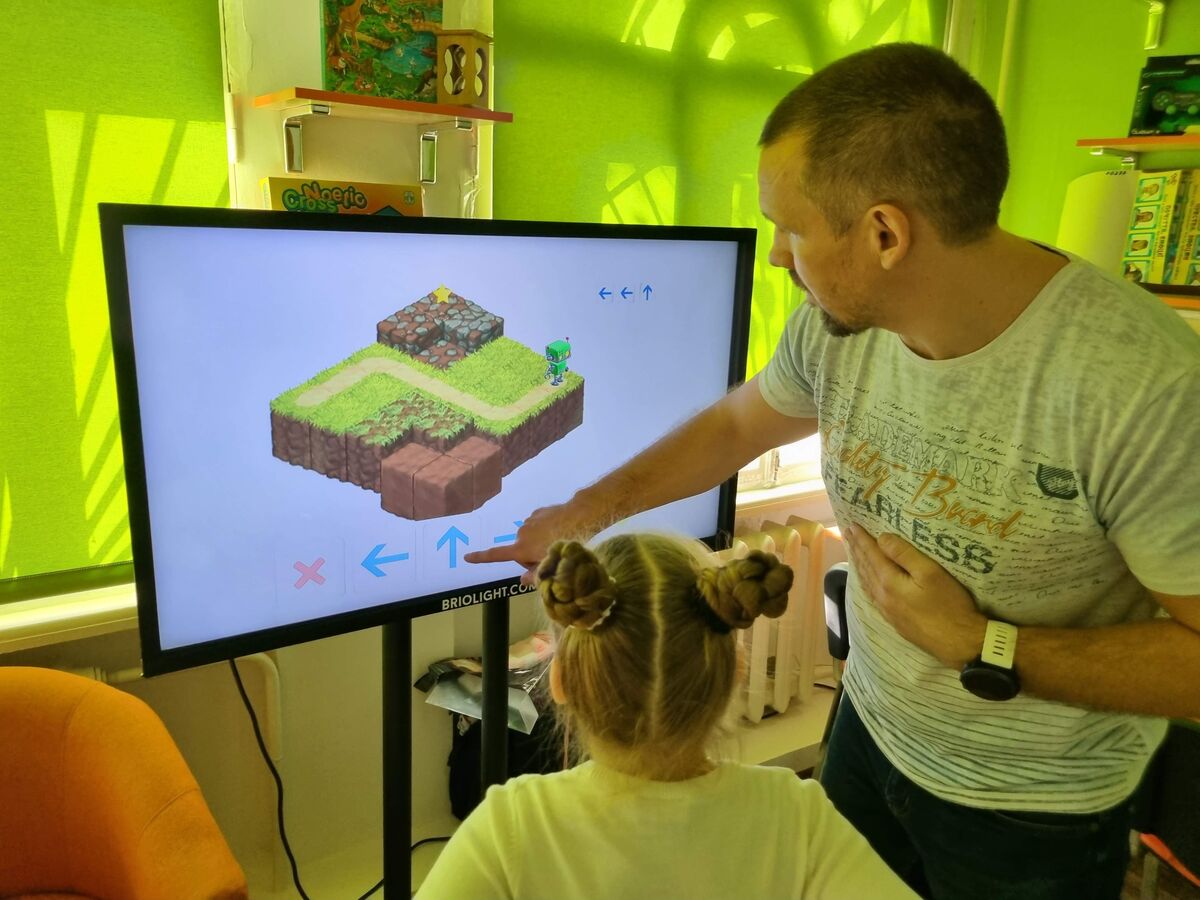
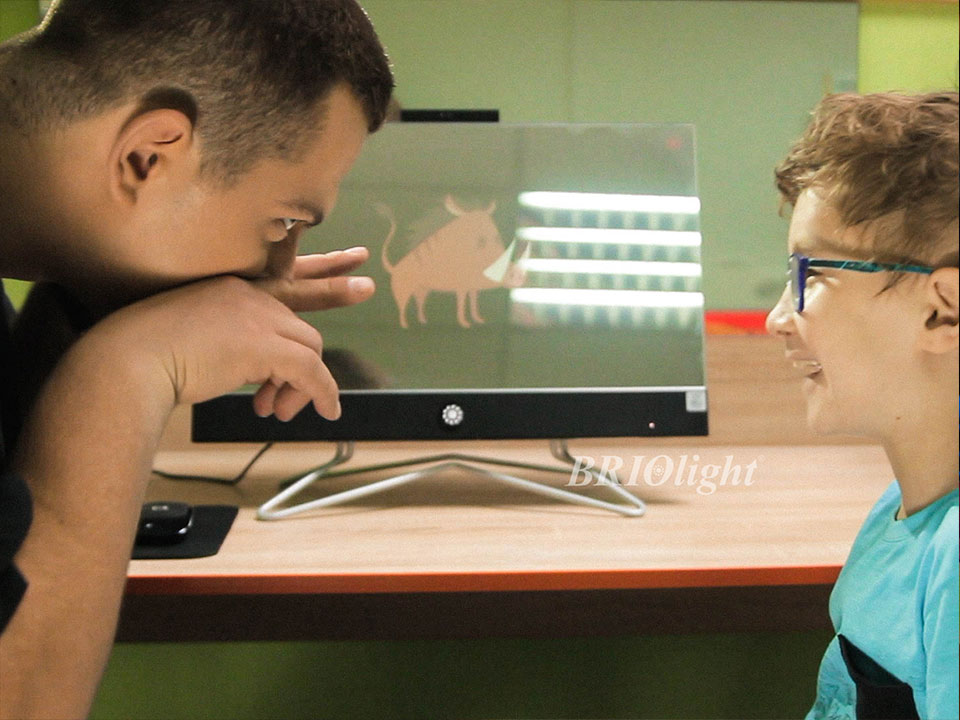
Interactive projections initially found many applications in advertising and entertainment. Today they can also be used in schools, kindergartens, Inclusive Resource Centres and rehabilitation settings.
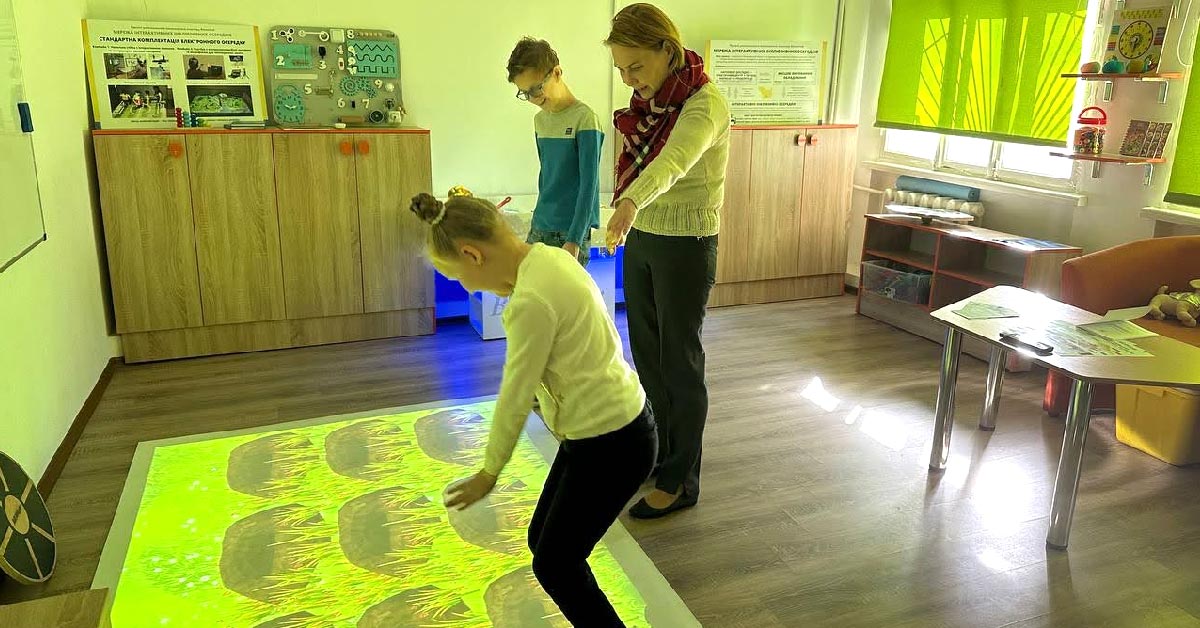
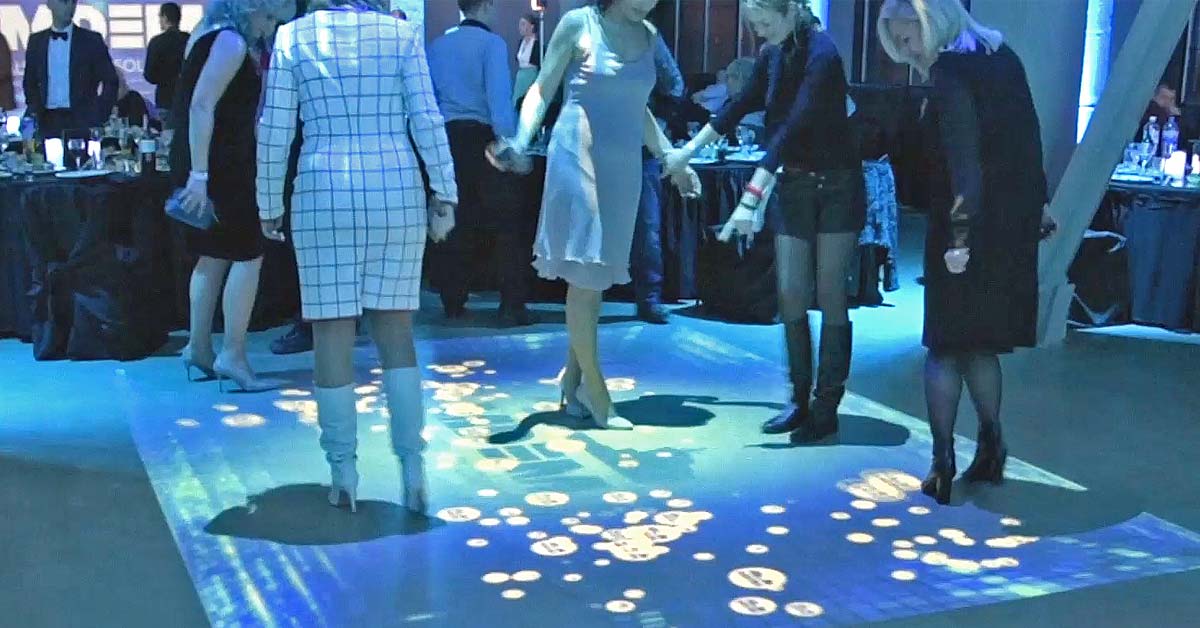
A key difference between a conventional mapped projection and a responsive interactive projection is the sensing technology. As a person moves into the projected area, sensors detect their movement and software changes the displayed image. In this way a floor, wall or sandbox responds to actions in real time.
Educational activities can combine movement with attention, reasoning, coordination, fine or gross motor practice and interaction with a virtual environment. In rehabilitation, specialists may incorporate suitable activities into wider programmes; potential clinical effects depend on individual circumstances and professional supervision.
The original article described the equipment as suitable for children aged three and older. Actual age suitability and safety depend on the current product specification and the child's abilities.