


Speech therapy uses tools for timely assessment and support in addressing speech and language difficulties. Modern speech therapy combines insights from education, psychology and medicine, drawing on related disciplines to improve specialists' working methods.
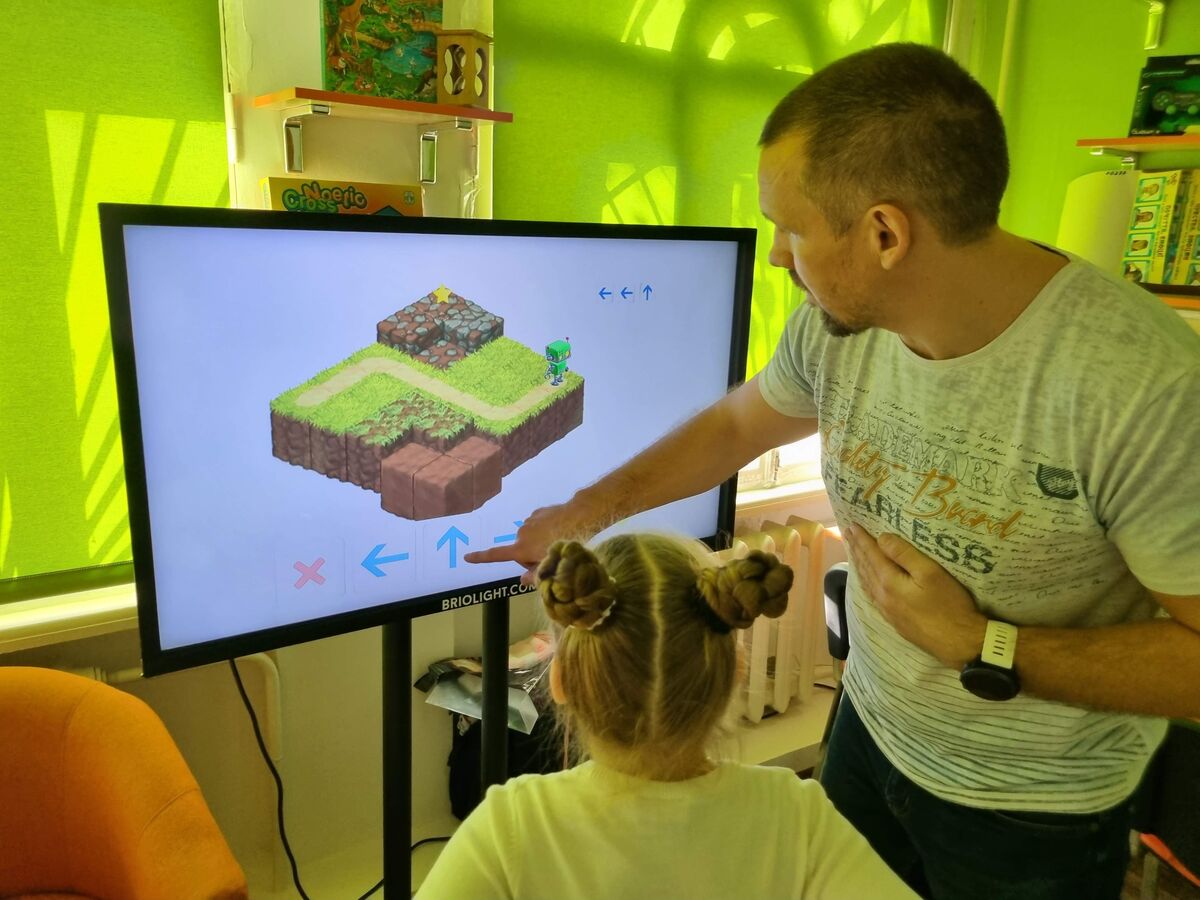
Information and computer technologies can provide feedback between a specialist's developmental programme and the child during speech therapy activities.
For children with speech and language disorders, developing visual thinking can be particularly useful. Visual representations help children connect language with images and understand the meaning of texts. Speech therapy observations cited in our work have shown progress in speech sound production when visual computer-based activities were included.
In practice, specialists increasingly report working with children who have speech difficulties. Standard methods do not always produce the expected results, may require considerable preparation time and do not engage every child. This encourages speech therapists to look for new approaches and specialised interactive tools.
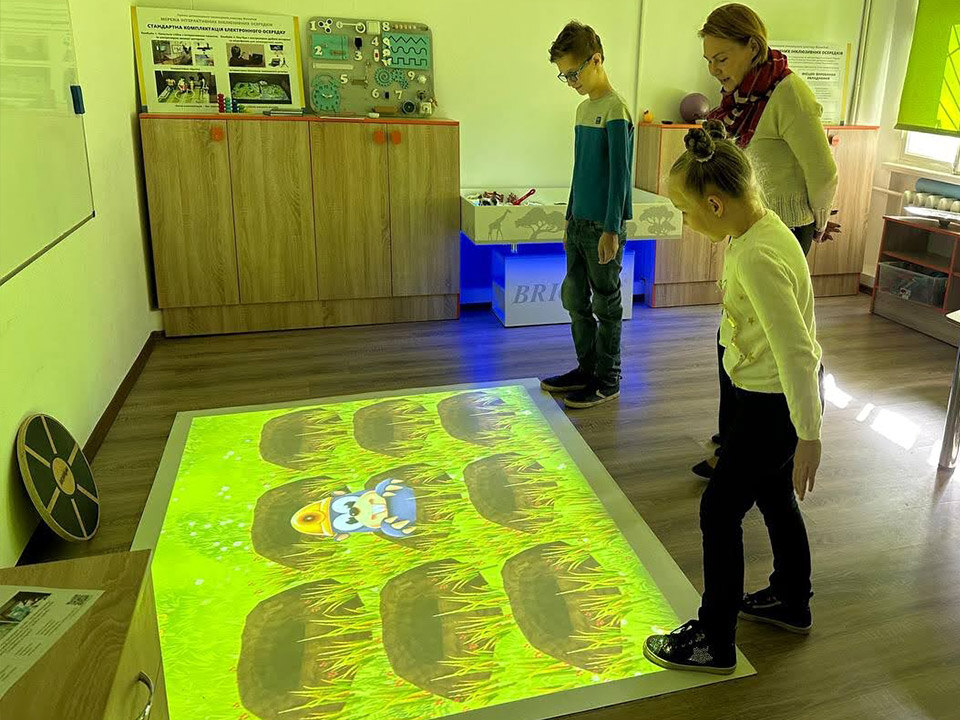
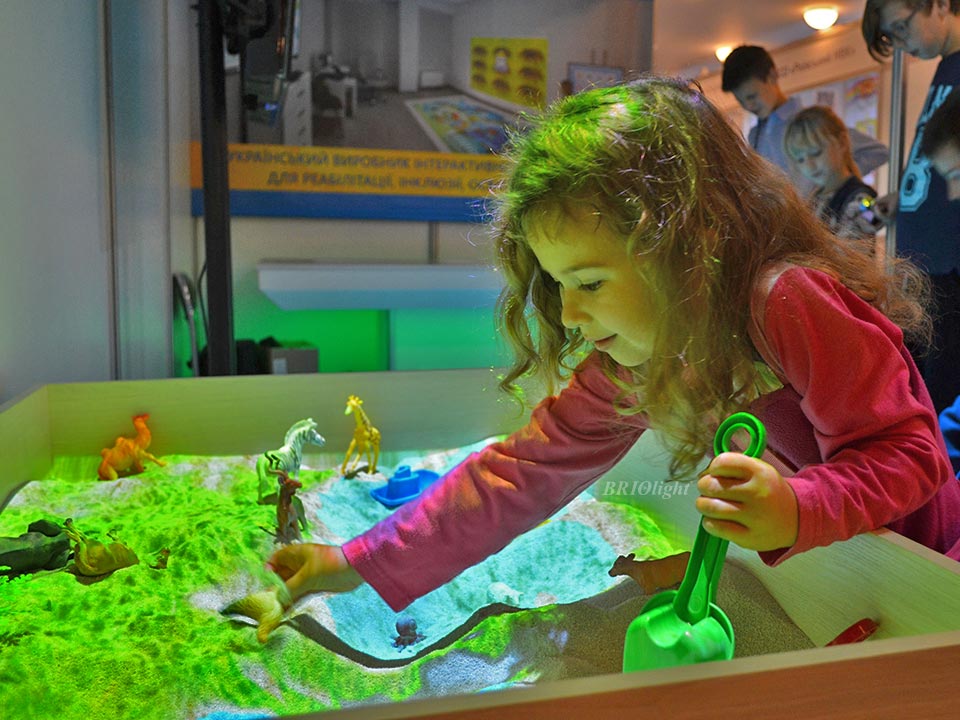
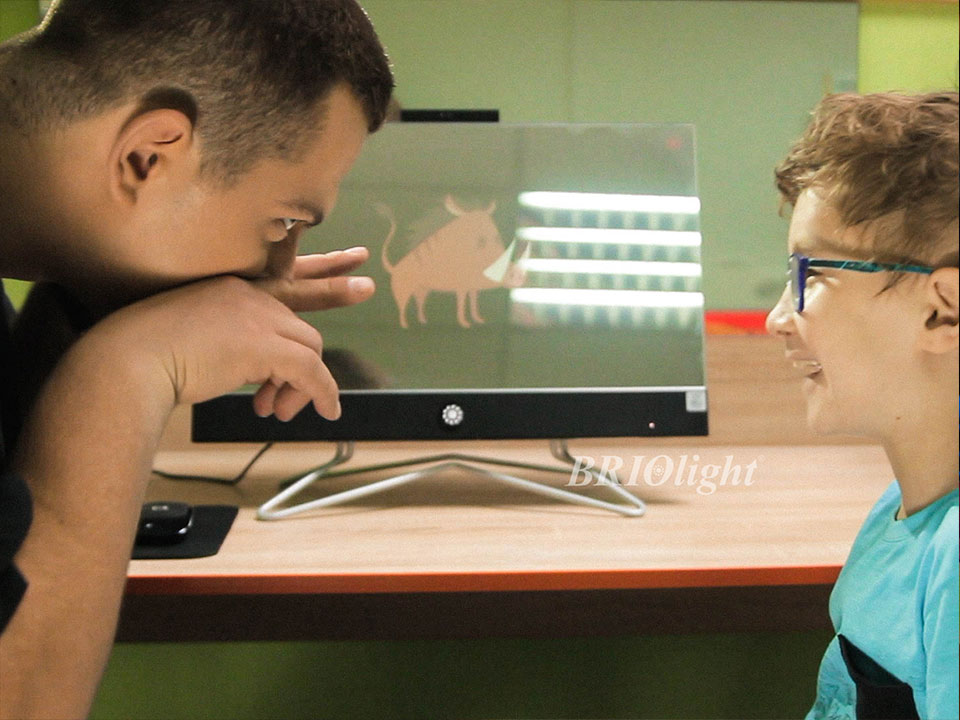
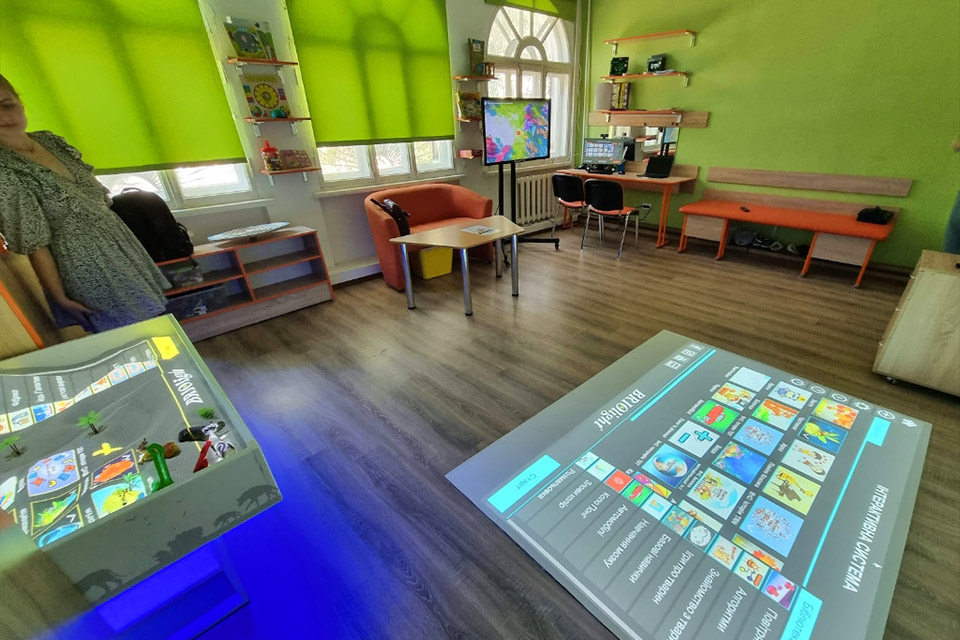
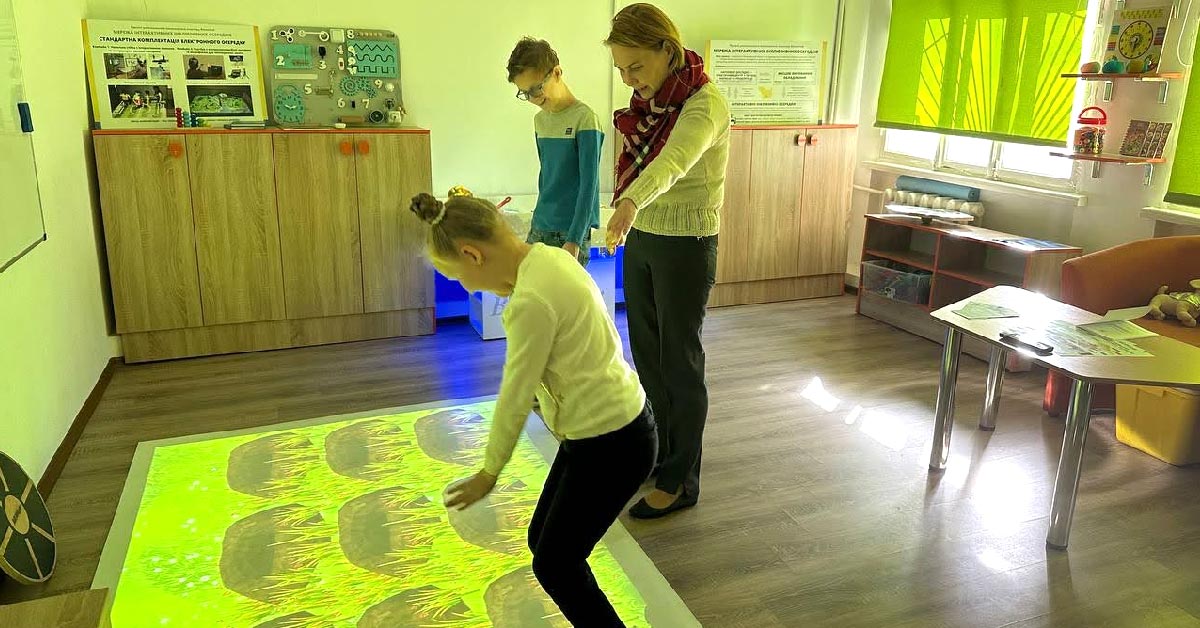
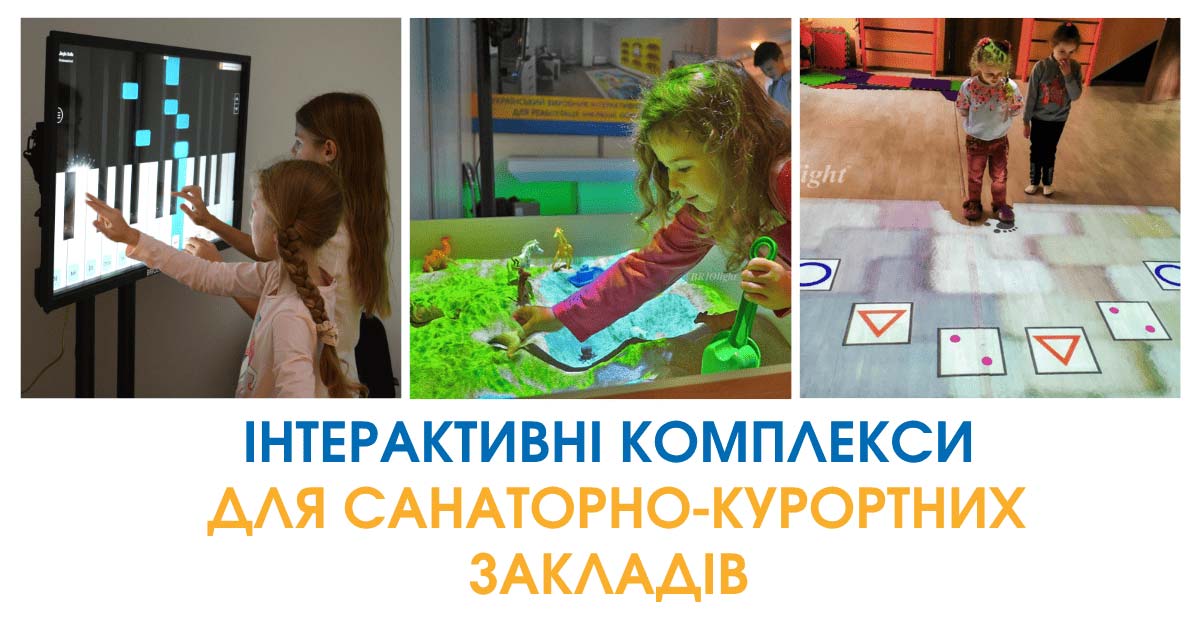
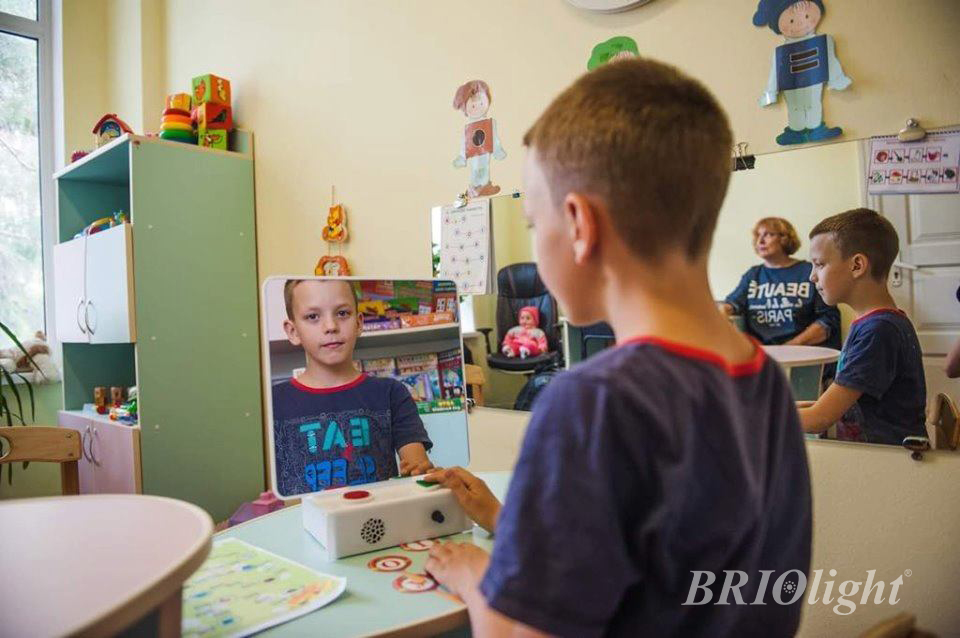
For more than twelve years, speech therapists have used equipment from Briolight interactive systems, including an interactive projection floor, augmented-reality sandbox, multi-touch panel, developmental table, interactive mirror with audio and video recording, and other devices.
In 2020, we also developed the “Speech Therapy” software package. It is designed not to replace initial specialist assessment, but to reinforce learning, track developmental progress and engage children through gamified activities. Its effects include professionally recorded Ukrainian narration and musical accompaniment. The package was developed through scientific cooperation with practising speech therapists and psychologists who work with children with disabilities.
Benefits of Briolight interactive systems for speech therapists:
- A professional solution developed with practising speech therapists, including specialists who support children with special educational needs.
- Difficulty levels (easy, normal and hard) and individual settings adapted to a child's needs.
- Tools for tracking progress for individual learners.
- Support for teacher-created presentations, multimedia resources and audio clips during sessions.
- Ability to show stories, excerpts from films and original presentations.
- Practical features such as “Session Generator”, “Filter” and separate folders for individual children or groups. Custom settings can reduce preparation time when sessions are short.
- An extensive library of activities covering different topics, objectives and difficulty levels.
- Clear, compact and visually appealing presentation of information that can increase children's interest and motivation.
- Support for a more emotionally comfortable learning environment.
Interactive technologies are not intended to replace a speech therapist's work. Their purpose is to enhance and complement professional practice.