


In an earlier article on universal design in schools, we discussed making educational environments accessible to children with different needs. Existing schools cannot always be completely redesigned or create a separate curriculum for every learner. Adaptation and modification offer practical ways to make instruction more accessible.
What is the difference?
Adaptation changes the way material is presented, practised or assessed while preserving the curriculum's learning goals. Modification changes the expected level or amount of material itself. Both approaches aim to enable a child with special educational needs to learn alongside classmates.
Adapting instruction
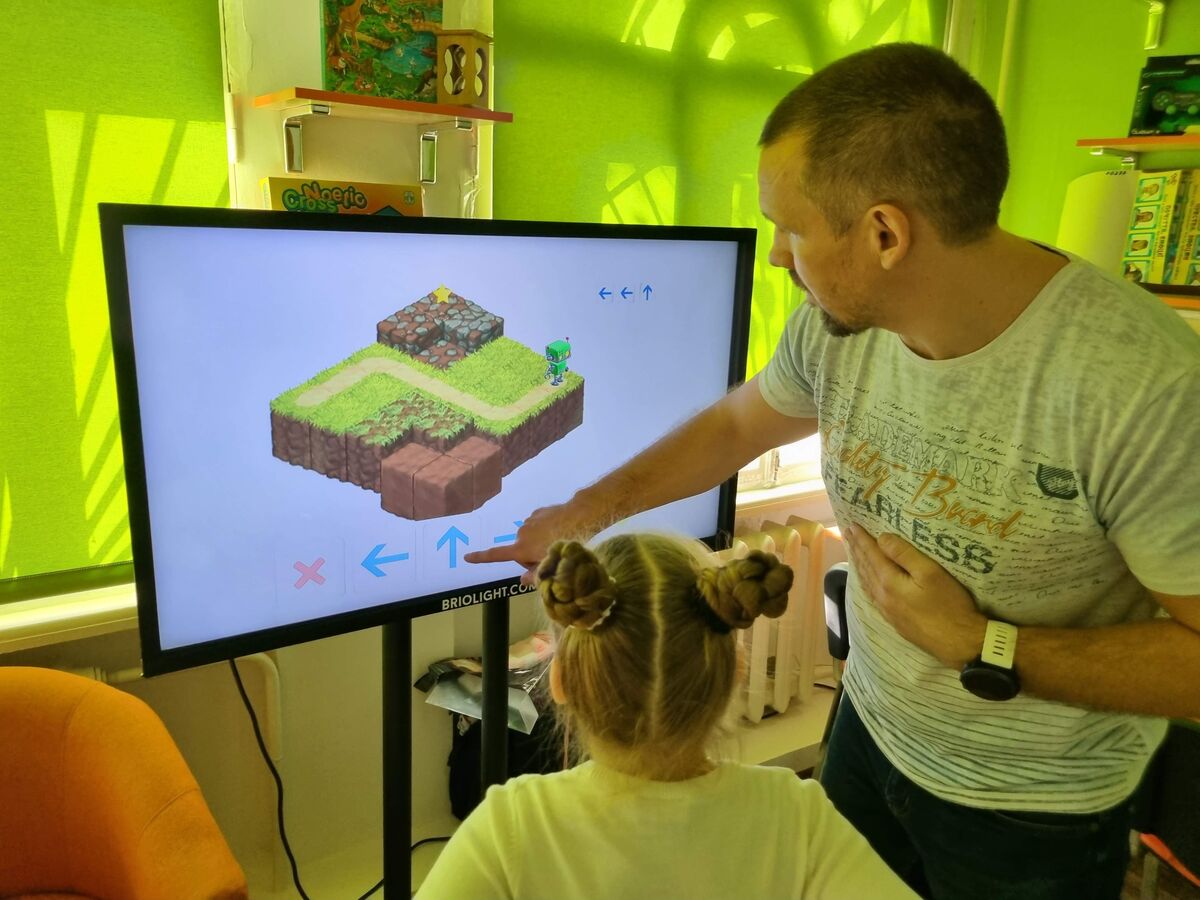
A teacher may provide additional visual materials, step-by-step instructions, reminder cards and different ways to demonstrate understanding.

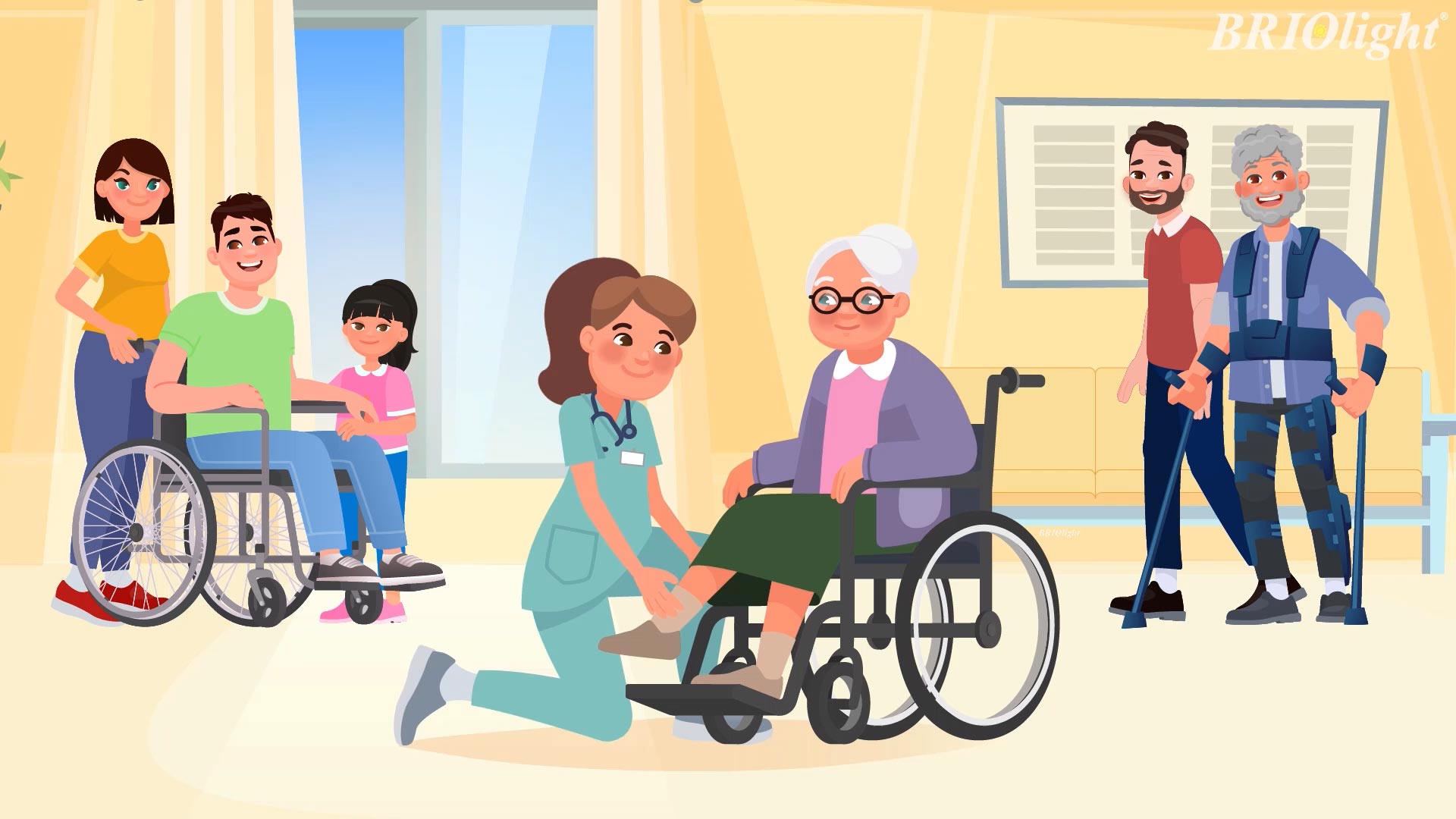
Image from a presentation by Olha Malikova, executive director of the Ukrainian Association of Behaviour Analysts and a teaching assistant at Kyiv School No. 58.
For mathematics, adaptations include diagrams, worked examples, algorithms, task prompts and fewer independent problems without reducing the required difficulty.
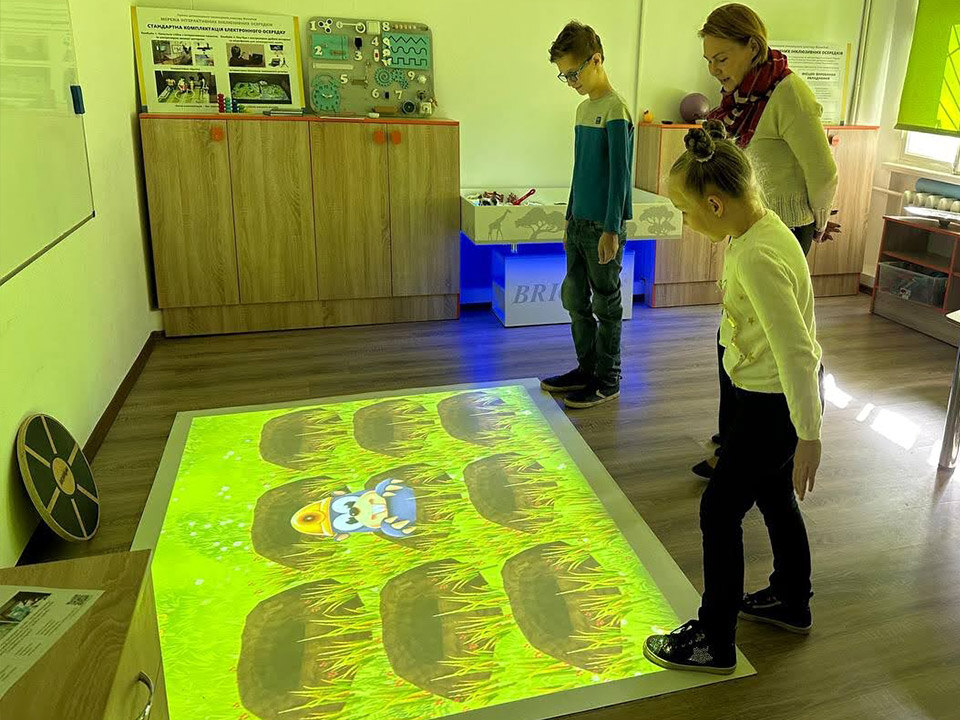
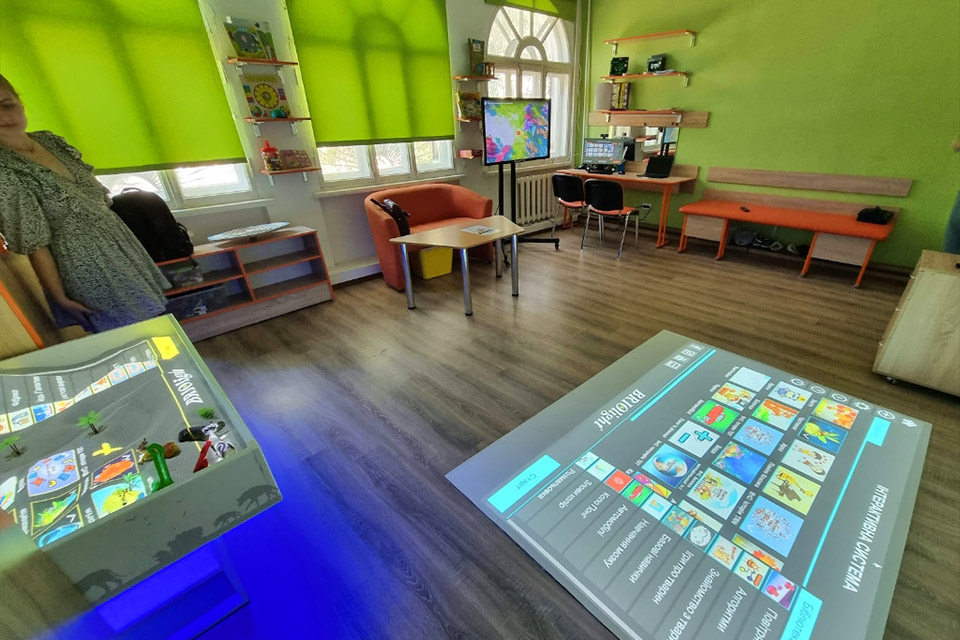
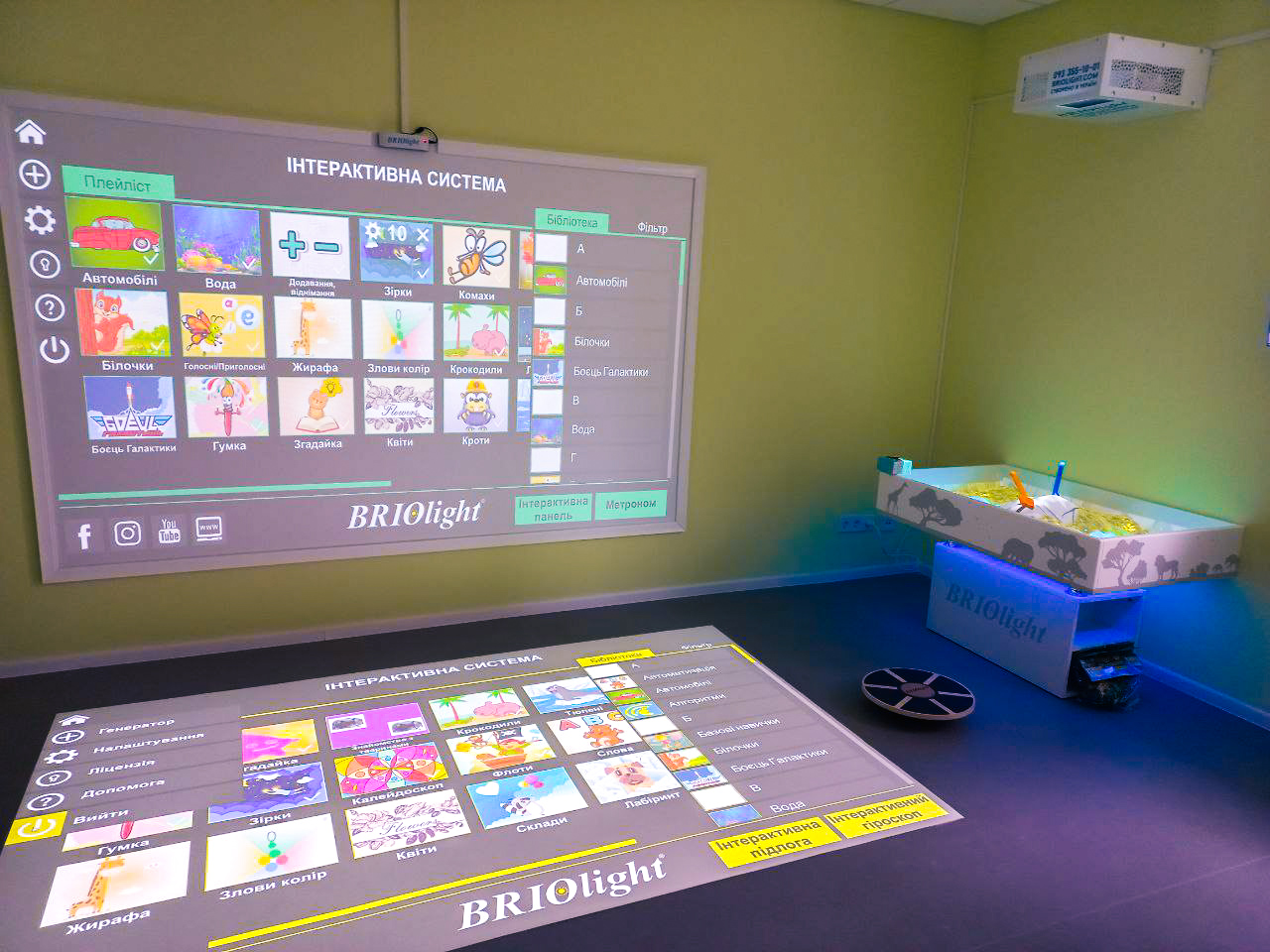
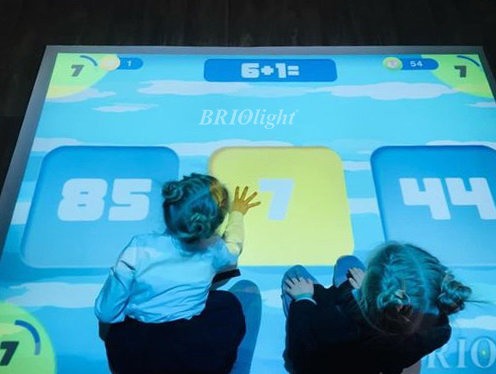
The Briolight interactive floor can offer additional ways to practise or demonstrate mathematical knowledge. Its original activity library included nine mathematics effects: Sum and Difference, Division, Product and Quotient, Subtraction, Examples, Numbers, Addition and Subtraction, Sequence, and Even and Odd.
Assessment adaptations may involve more time, fewer questions of the same difficulty, support from a teaching assistant in understanding instructions and alternative response formats, such as presentations or illustrations rather than speaking in front of the entire class.
Modifying instruction
Modification changes curriculum content or expected learning depth for a particular child. A teacher may simplify parts of a topic or focus on essential concepts while ensuring active participation in classroom life.
The learner follows the same general school routine and studies related topics, but the expected depth or complexity differs.

Image from a presentation by Olha Malikova, Ukrainian Association of Behaviour Analysts and Kyiv School No. 58.
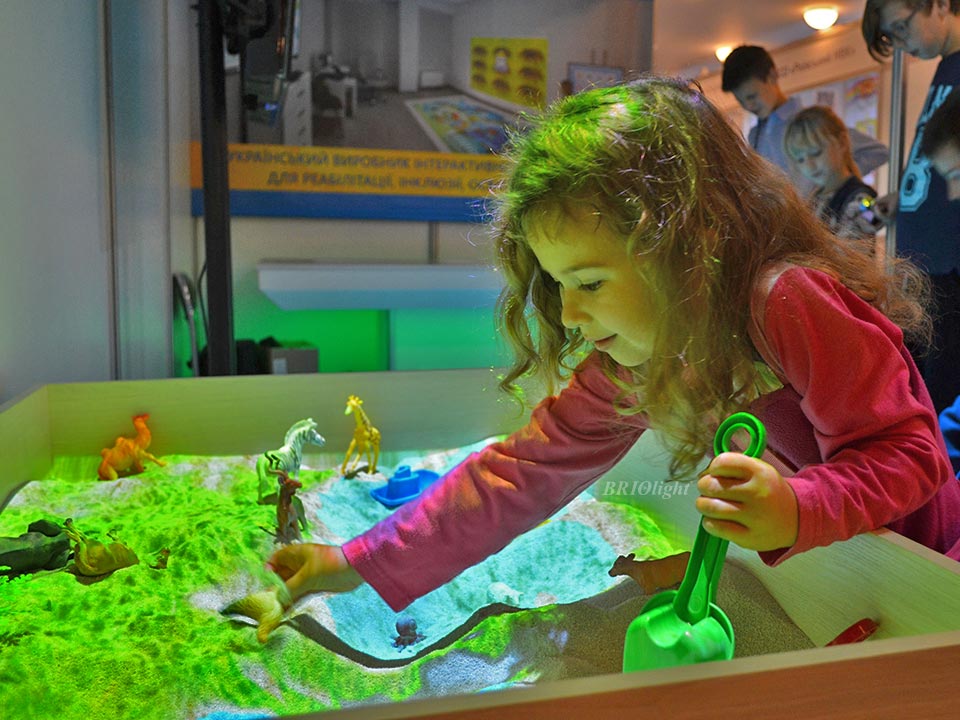
For instance, a Briolight interactive sandbox can be used to explore geography and nature. The “Landscape” mode illustrates rivers, lakes and landforms. Toy animals help children compare habitats and distinguish domestic, wild and marine species.
Modified assessment can involve simpler tasks or suitable aids, such as calculators, measuring scales or digital clocks.
Teaching materials
Materials are important in both approaches. Examples include:
- visual instructions and step-by-step routines for washing hands, organising the day or solving a problem;
- reduced information load and additional pictures in place of dense text;
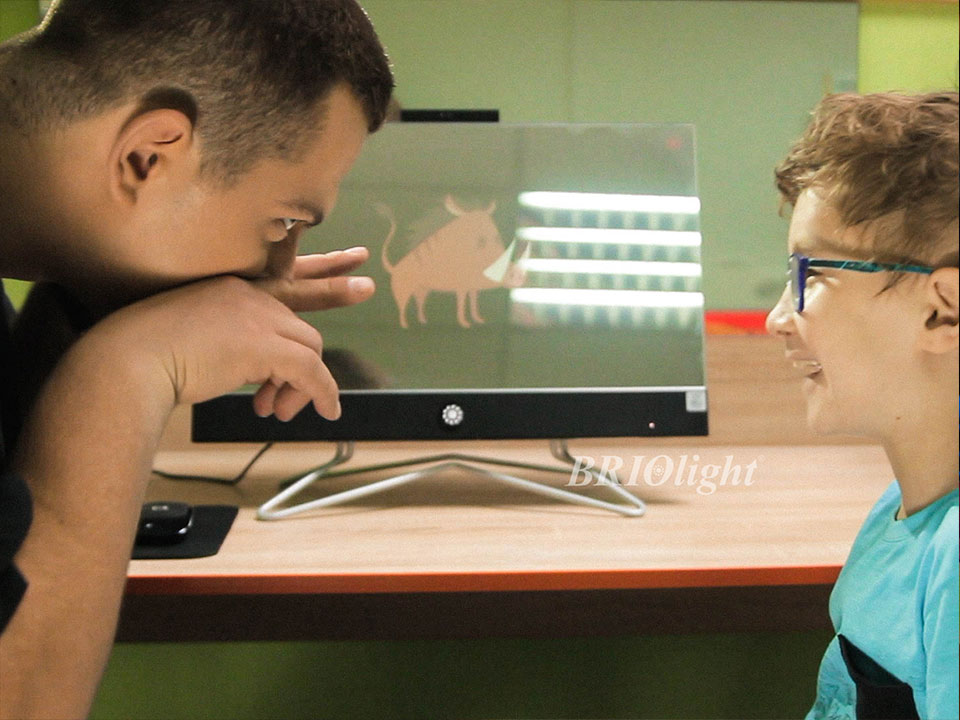
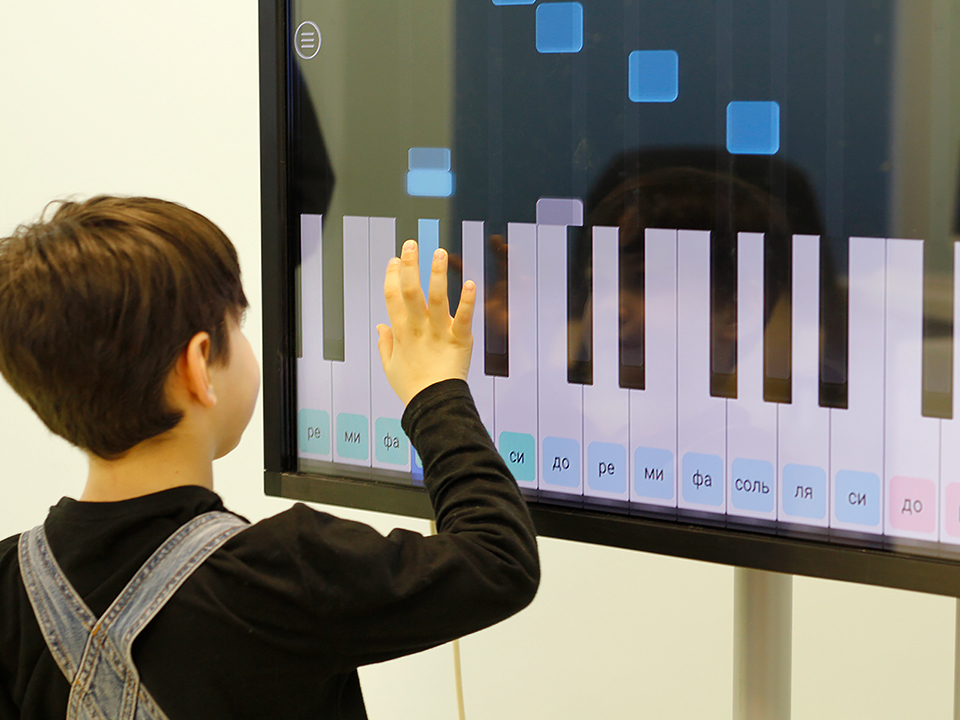
- thematic cards, software and colour cues, including an interactive panel for sounds, colours and plants;
- speech therapy cards and cubes, calendars, special rulers and charts.
Materials should relate to the class topic, so they can benefit learners with special educational needs and their classmates.