


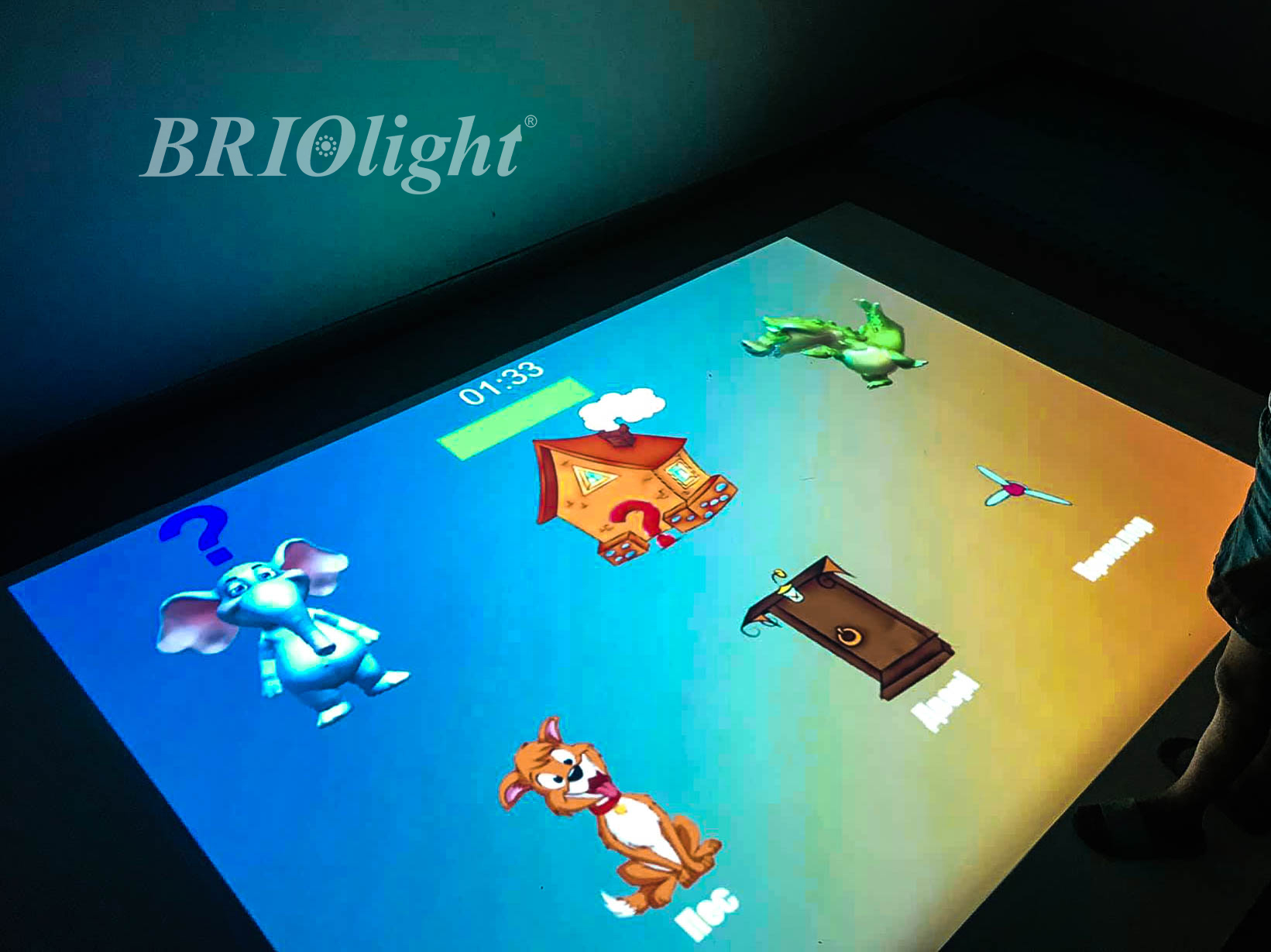
A puzzle is a developmental game in which a picture or mosaic is assembled from pieces of different shapes. The number of pieces depends on the child's age and individual physical and psychological characteristics. A puzzle may contain as few as two pieces.
Completing a puzzle generally requires patience and persistence. When puzzles are used for educational and developmental support, children can learn about the relationship between parts and a whole while practising fine motor skills and logical thinking.
However, puzzles also have certain disadvantages for preschoolers and children with special educational needs.
First, children who are very active, find it hard to concentrate or are not yet ready for extended seated activities may struggle to work on puzzles for long periods, even during developmental support sessions. Consequently, teachers cannot always use this method.
Second, physical puzzle pieces are not always fixed in place. A nearly completed image can fall apart after an accidental touch, which may reduce the child's motivation to continue.
Third, puzzle pieces can get lost, preventing a child from finishing what they started and potentially affecting the educational activity.
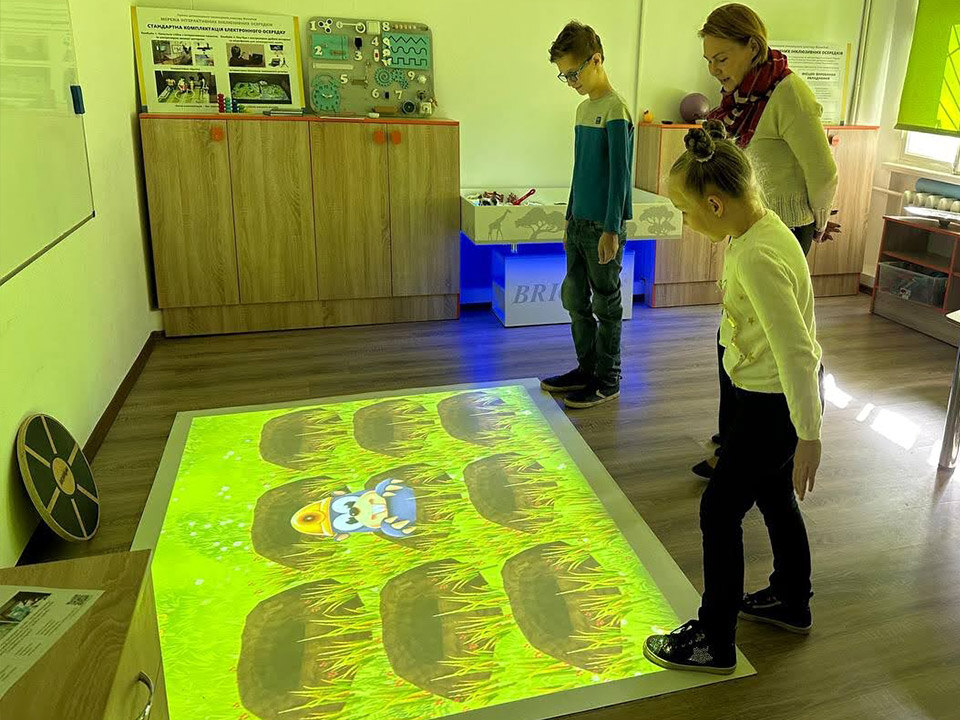
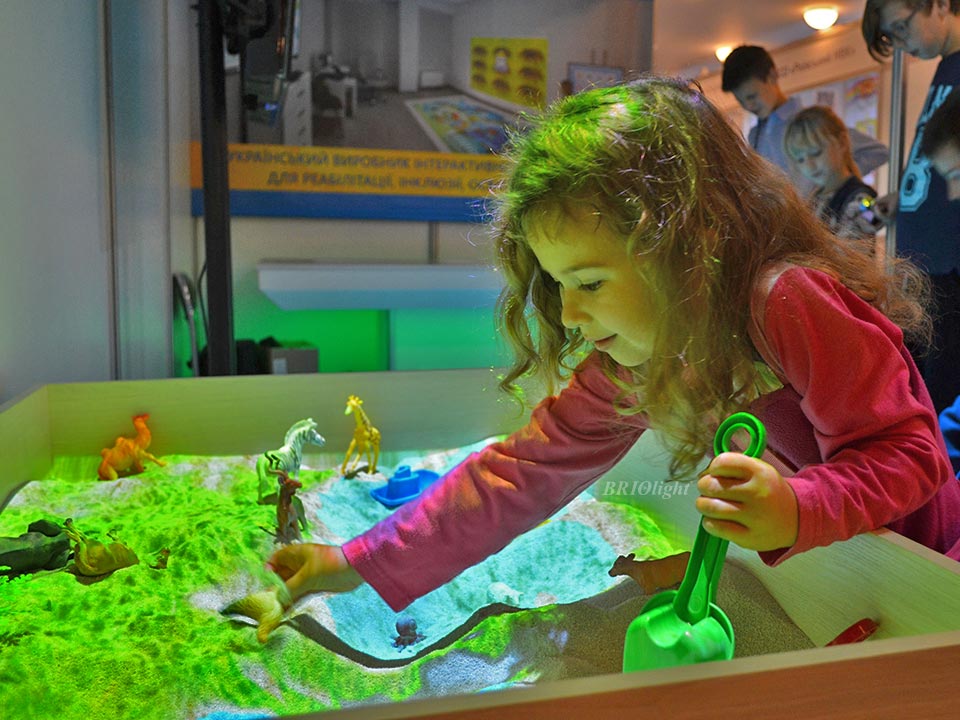
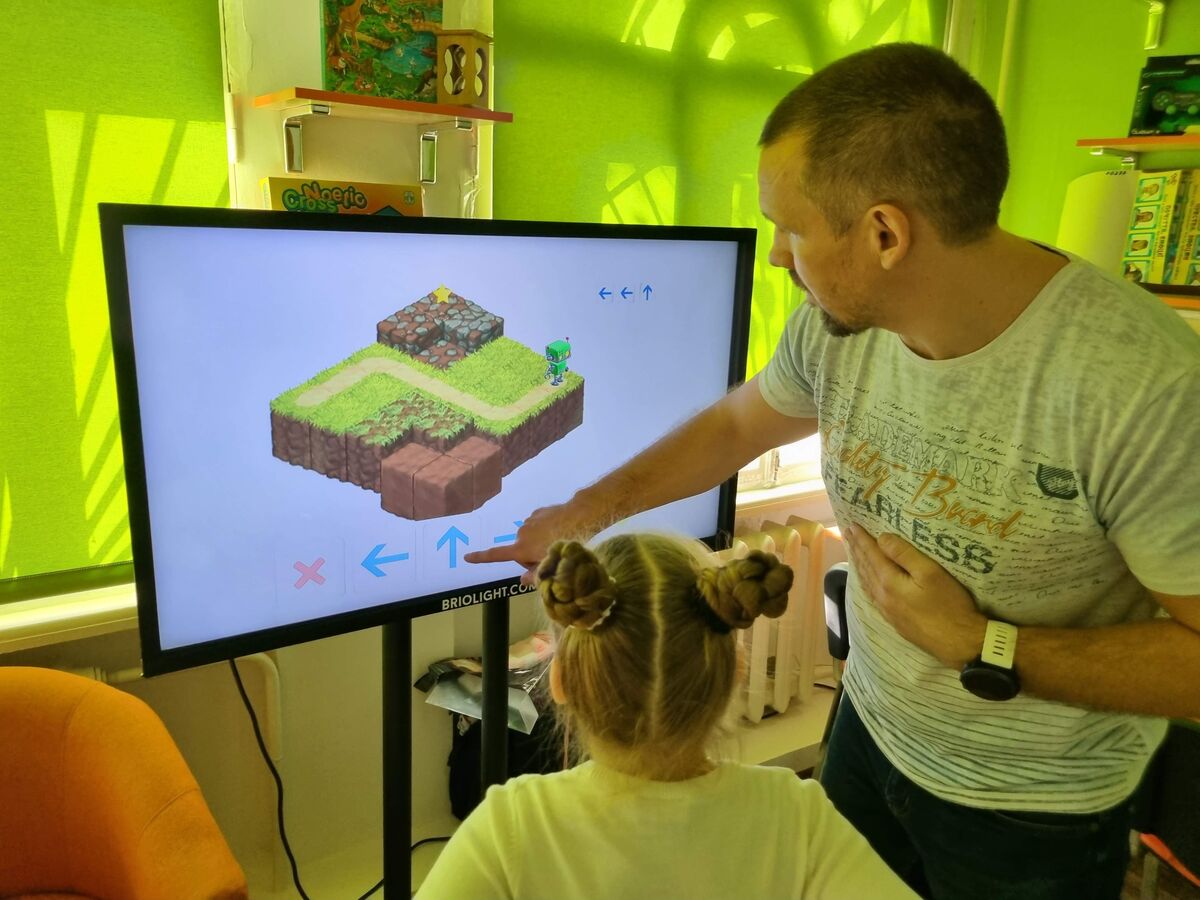
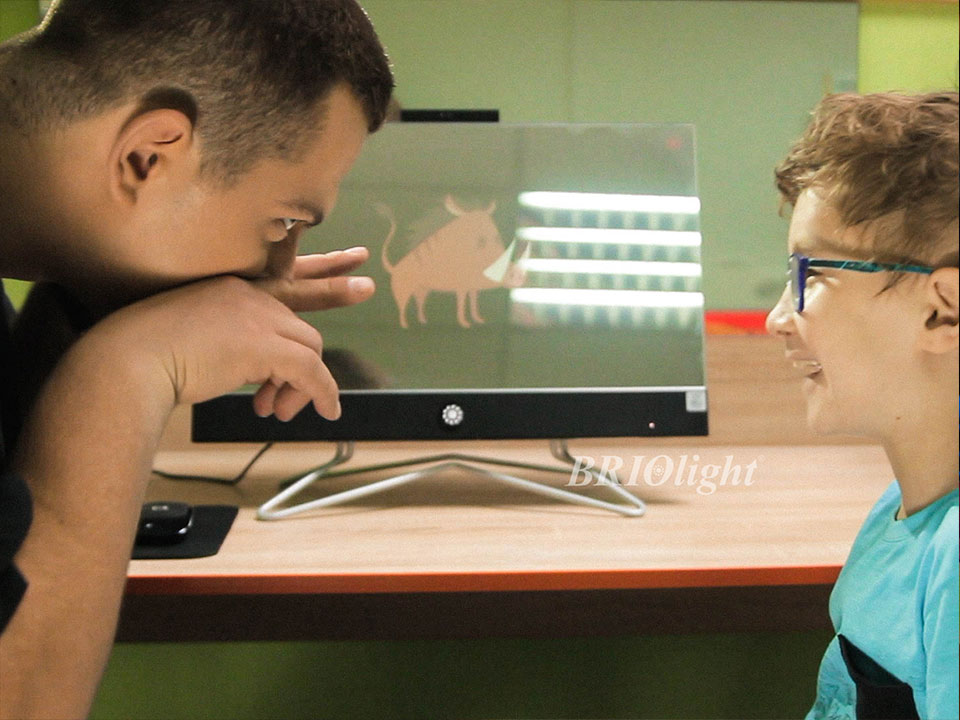
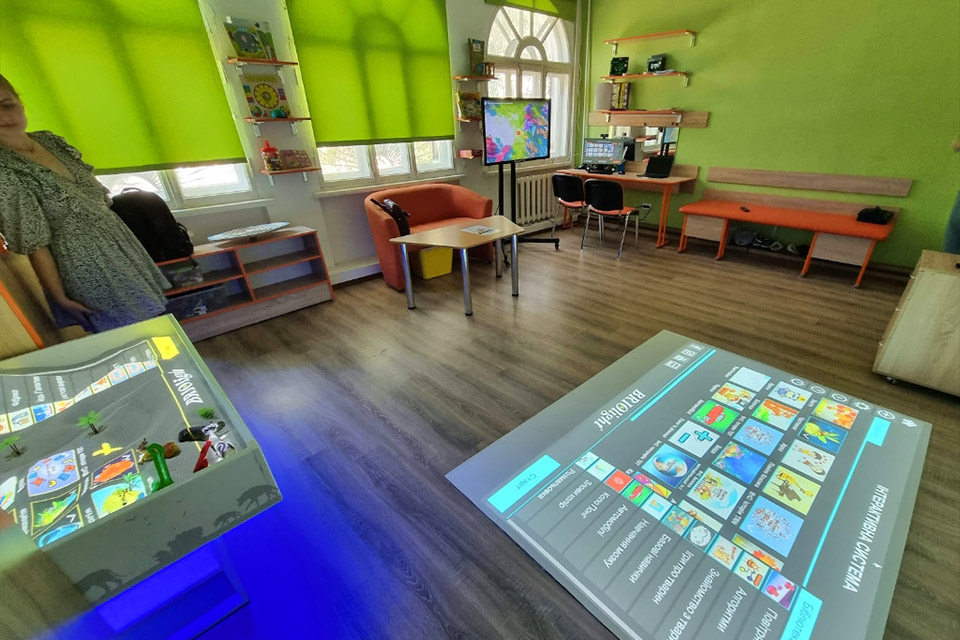
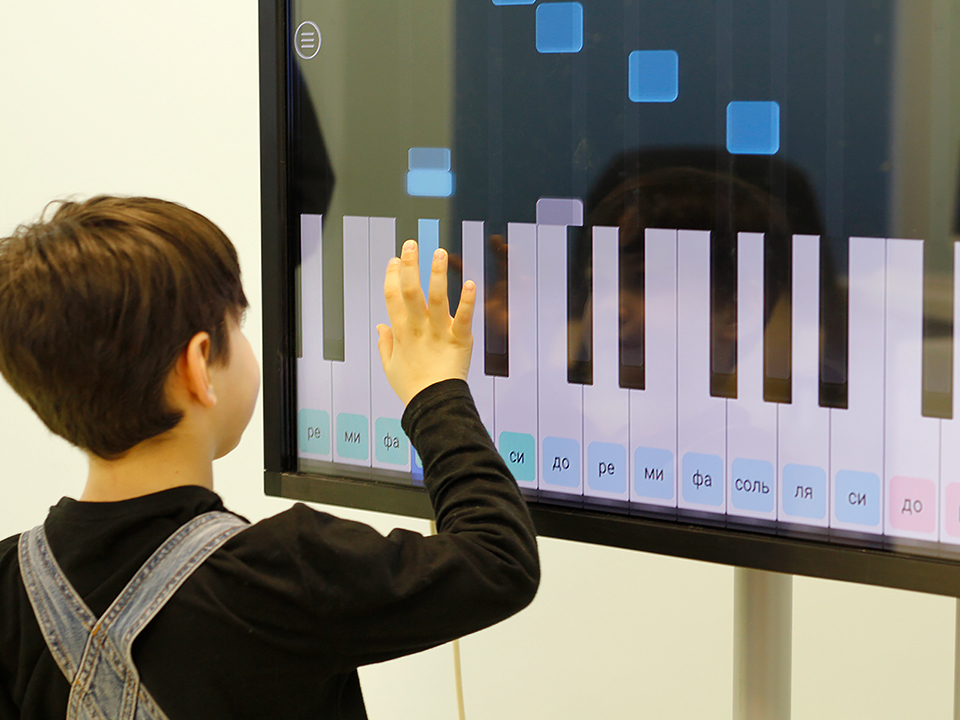
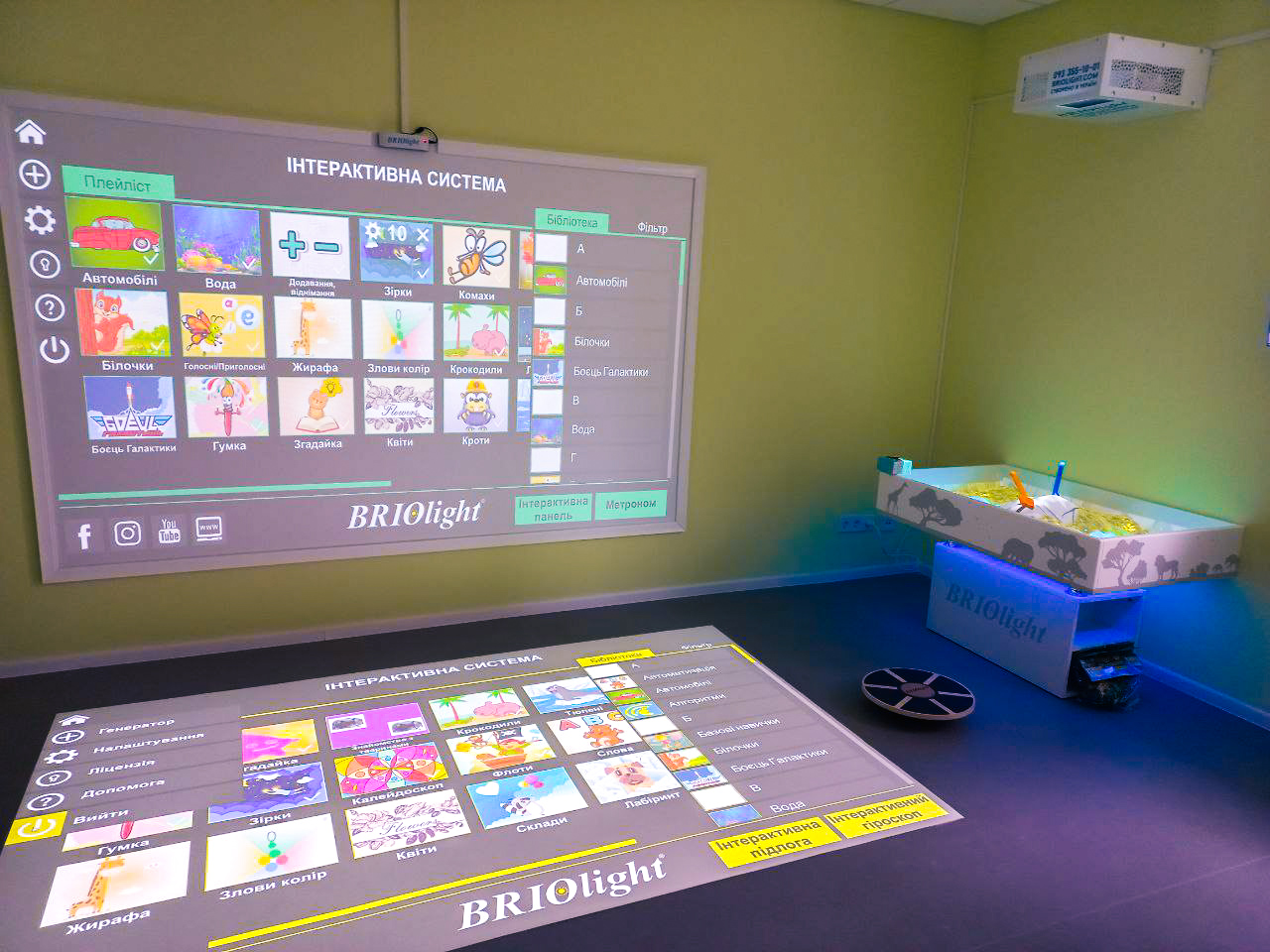
These difficulties can be addressed using Briolight equipment, including an interactive panel and interactive floor.
The Briolight interactive panel comes with Briolight software and more than 80 third-party applications, including puzzles with different levels of difficulty and themes. Additional programmes – puzzles, quizzes, educational games and training activities – can also be installed from Google Play. Unlike physical pieces, digital puzzle elements do not slide away or cause a completed picture to collapse after an accidental movement.
The Briolight interactive floor offers an extended software package with up to 210 activities, depending on the model and optional packages. Among them are puzzles for one or two children, with or without a timer. Children may be asked to find the missing part of a picture or match animals with their food, moving around the floor as they complete the task. Such puzzles combine movement with careful observation and attention rather than requiring children to remain seated.
Advantages of using puzzles with Briolight equipment:
- movement tracking;
- exploring objects, shapes and relationships;
- developing logical thinking;
- choosing between a more stationary format (interactive panel) and a movement-based one (interactive floor);
- working independently, in pairs or in groups.
By applying an innovative approach to traditional puzzles, some common difficulties can be reduced, making developmental activities more engaging and playful.