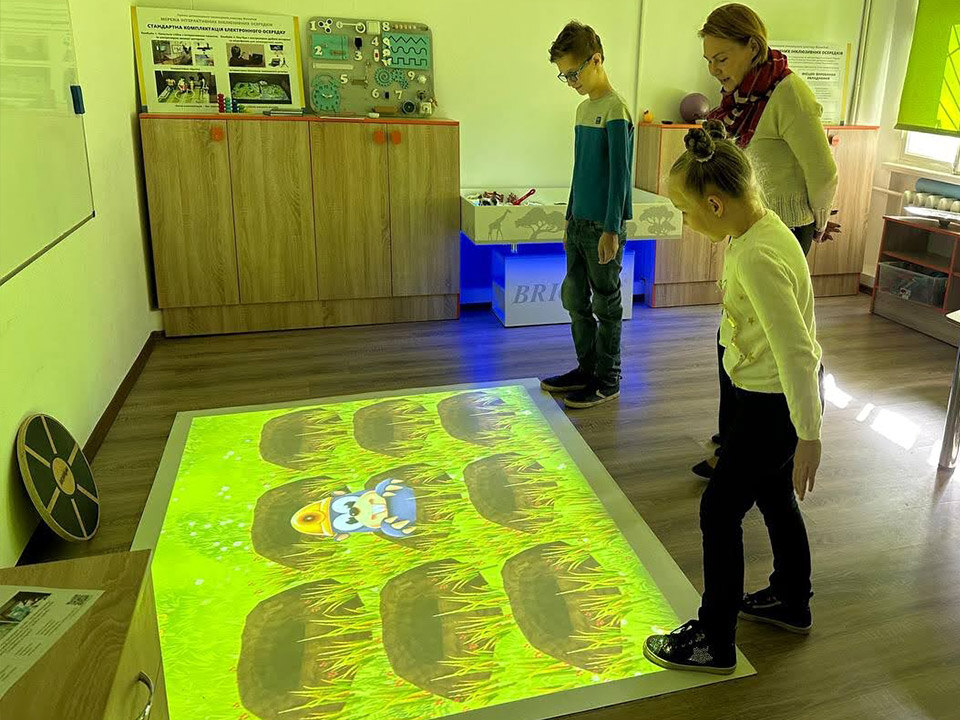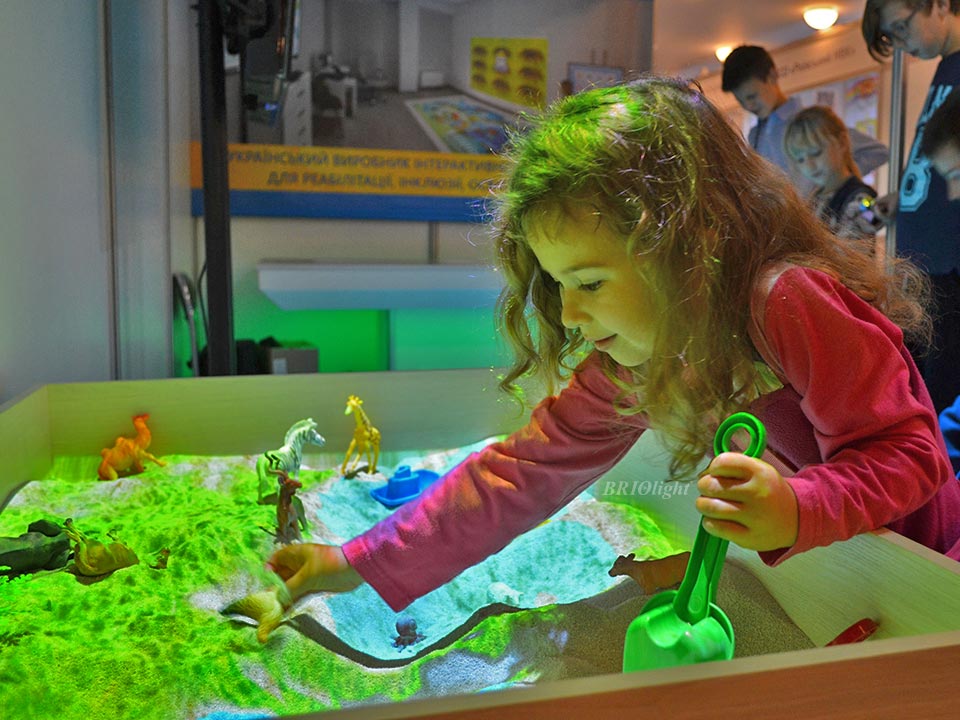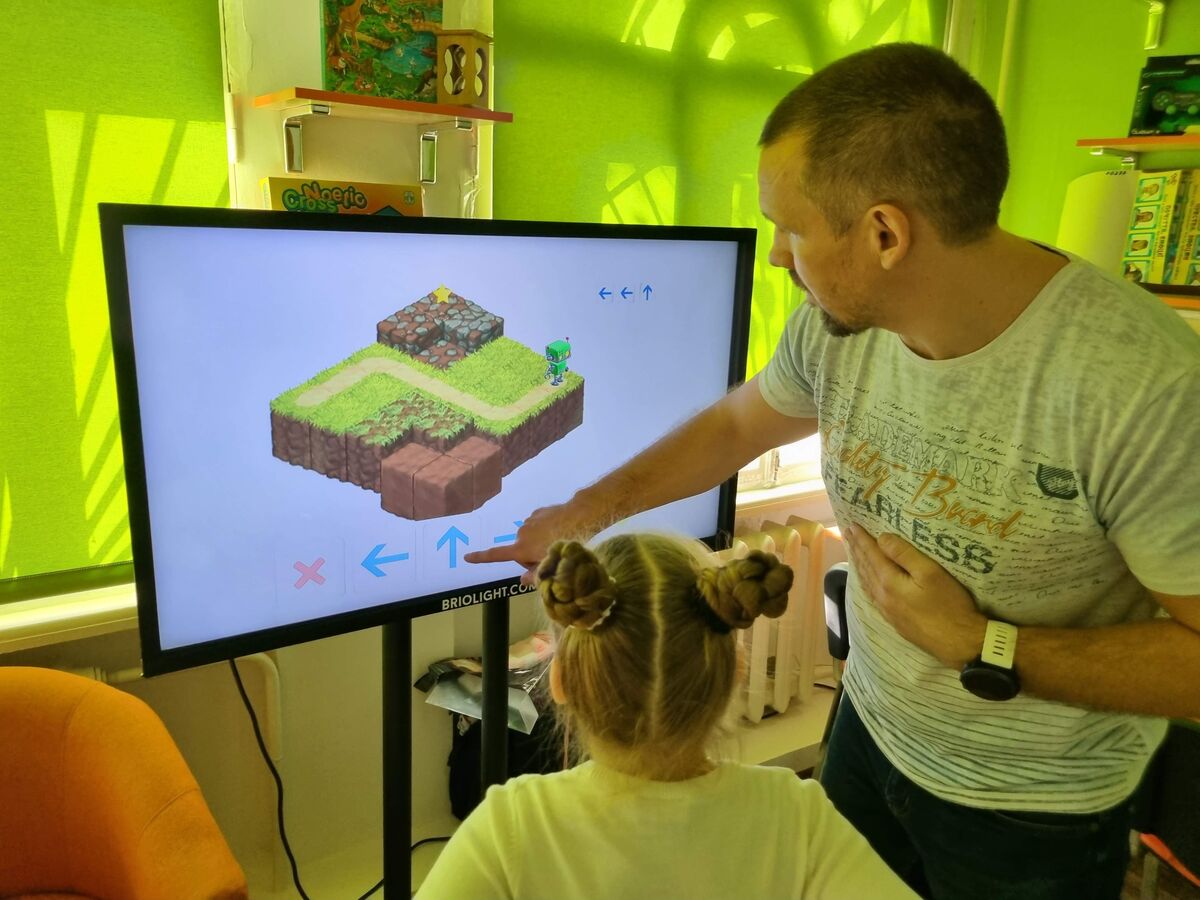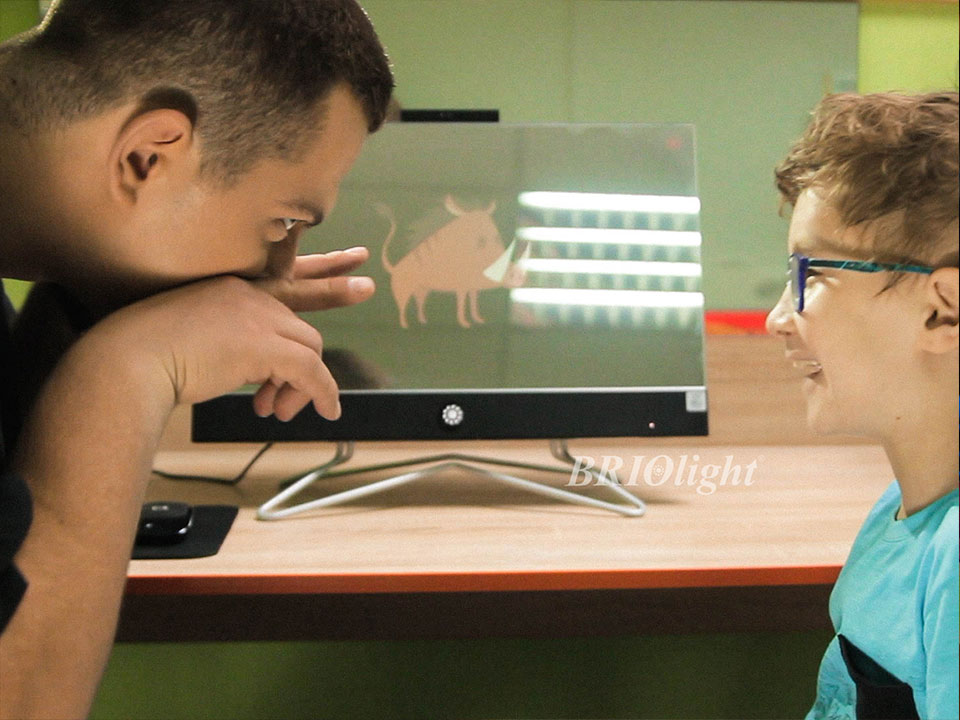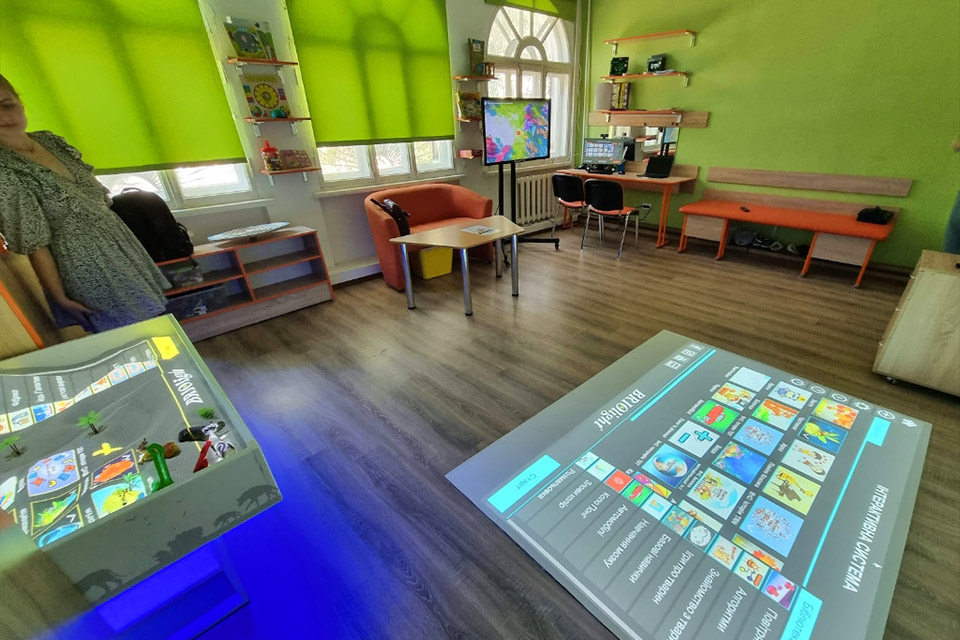



A relaxation room, also called a dark sensory room, is one type of sensory room. It is designed to create a calming setting and support emotional regulation and relaxation. Equipment varies with the intended purpose, but typically includes controlled lighting, projection, fibre-optic objects and blinds or curtains to darken the room. Soft music, nature sounds, diffuse lighting, neutral colours and, where suitable, aromatherapy may also be used.
Professionals use relaxation rooms as part of programmes supporting people experiencing anxiety, developmental difficulties, hyperactivity and other concerns. The suitability of sensory experiences depends on each person's needs.
How sessions take place
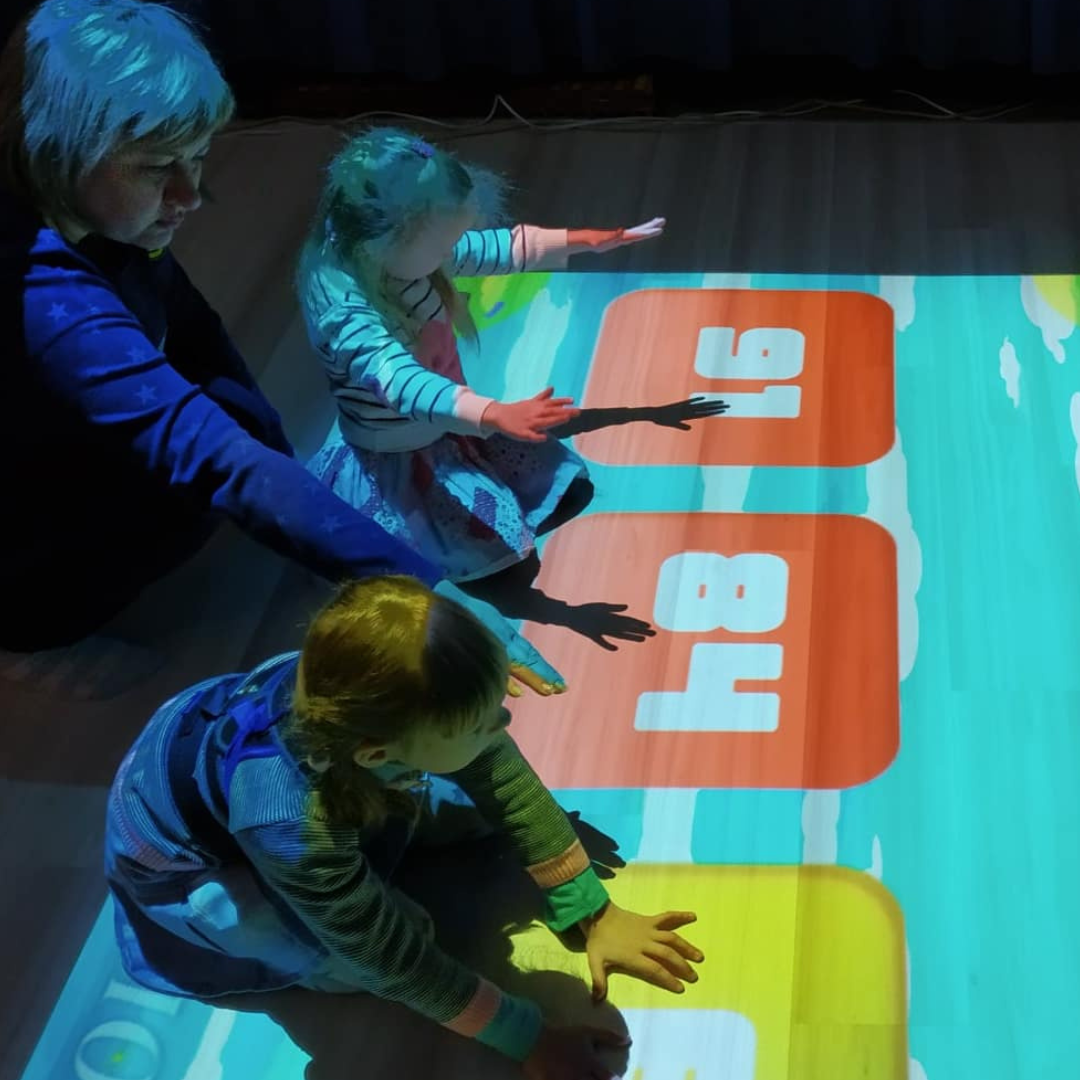
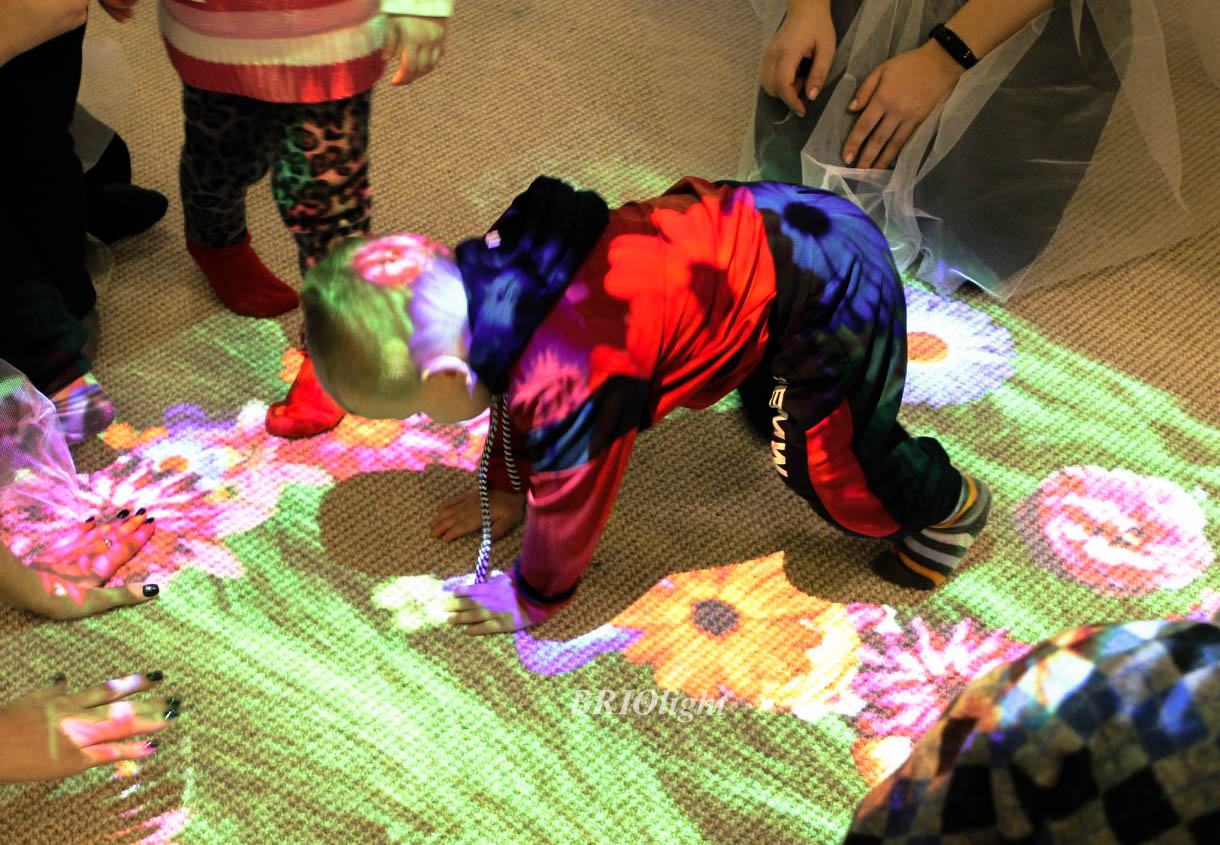
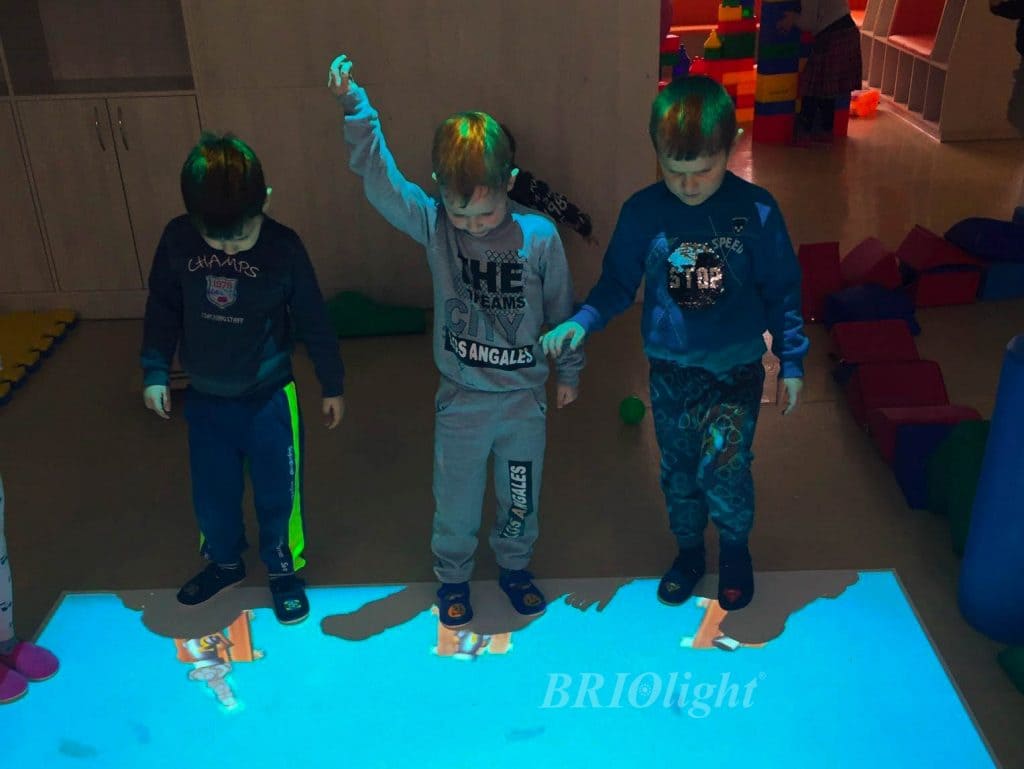
Room elements can be explored through different senses. Visitors may touch textured surfaces, listen to sounds, interact with projections, experience suitable aromas or follow reflections of light.
A psychologist or another trained professional guides attention to the person's sensory experience. Sessions may be individual or in groups. Their number and duration depend on the goals, initial state, progress, preferences and professional judgement. The historical article mentions approximately 30 minutes for developmental sessions and up to an hour for more intensive psychological work; these are examples, not universal prescriptions.
A typical session has three stages: introduction, main activity and closing. First the professional greets the child or adult and allows time to become accustomed to the environment. During the main stage, suitable activities are introduced. Finally, the specialist reviews the experience and closes the session calmly.
Rules, limitations and precautions
Practical rules include staying home when experiencing fever, cough, rash or other signs of infectious illness, removing outdoor shoes before entering and not bringing food or drinks into the room.
The original article lists epilepsy, significant intellectual disability, psychotropic medication and infectious diseases as possible contraindications. In practice, suitability depends on the equipment, stimulation intensity and the individual's circumstances. Epilepsy, medication or a disability should not automatically be treated as an absolute exclusion; qualified healthcare professionals should evaluate relevant risks, especially flashing lights, visual stimuli and sensory sensitivities.
Relaxation rooms for adults
Relaxation spaces can also be used by adults, for example as workplace well-being environments or within professionally supervised healthcare and rehabilitation programmes. Some institutions incorporate them into psychological support, vision-related or motor rehabilitation activities, or support around childbirth. Outcomes vary, and a sensory room is not a substitute for medical care.
Briolight can develop a customised relaxation room based on budget, purpose and preferences. Project costs may include room finishes, darkening systems and lighting. Contact +38 (063) 258-15-15 or +38 (063) 103-35-35.
Related topics: Sensory Room and Sensory Integration.