


Sand-based activities are used in some forms of art therapy and psychological support. Working with sand can offer children and adults a way to create scenes, express ideas and discuss feelings in a nonverbal or playful format.
Outdoor sandbox. A conventional sandbox is accessible, but hygiene, weather and interruptions by other users make it difficult to rely on for structured professional sessions.
Illuminated sand tray. A light box with a thin layer of sand allows drawing and visual experimentation. It is often used for creative play and activities involving imagination.
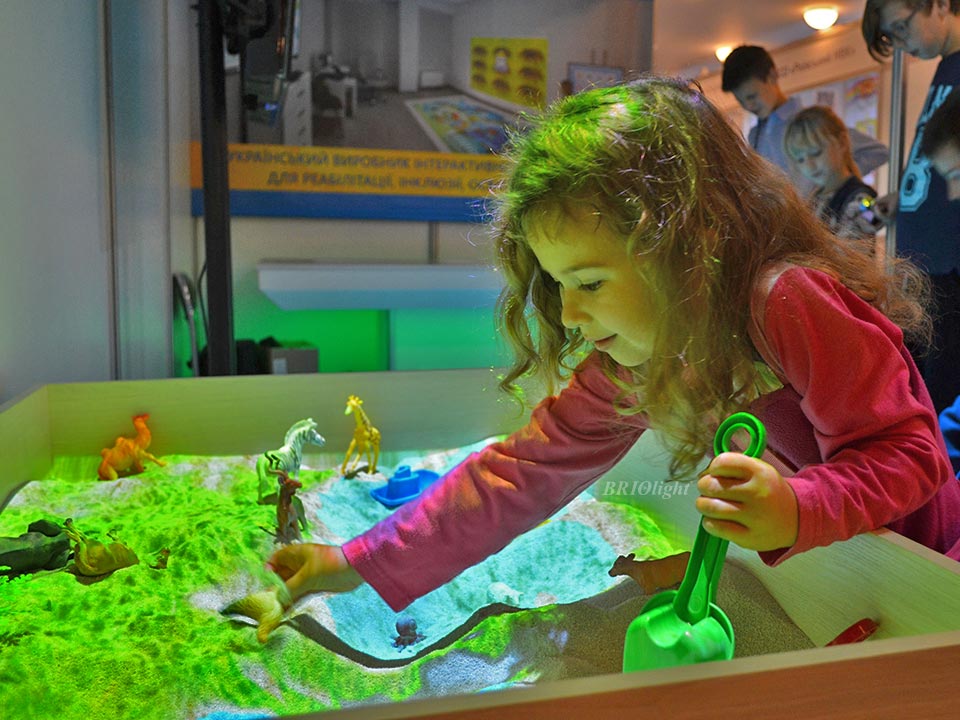
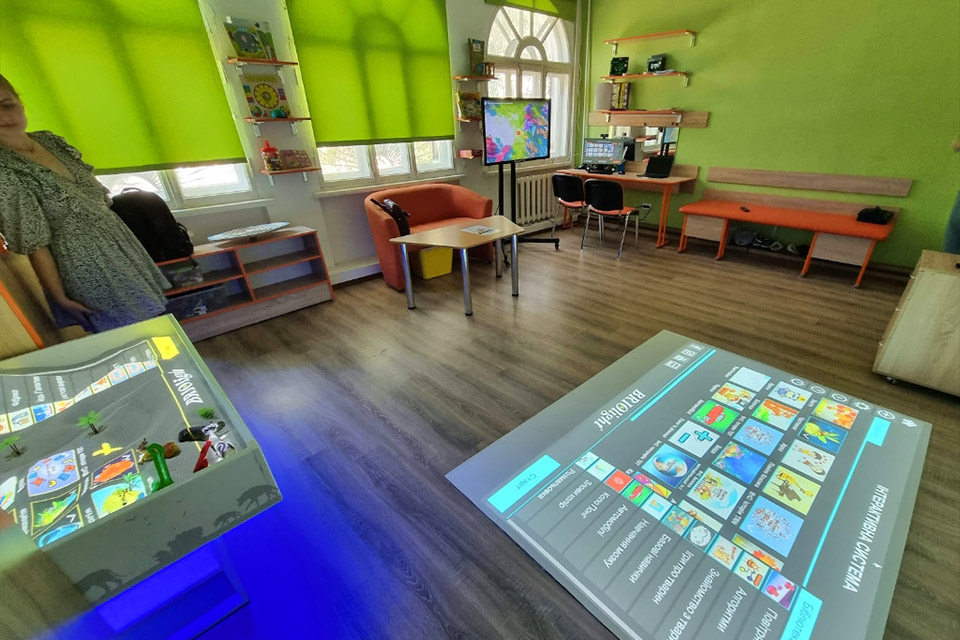
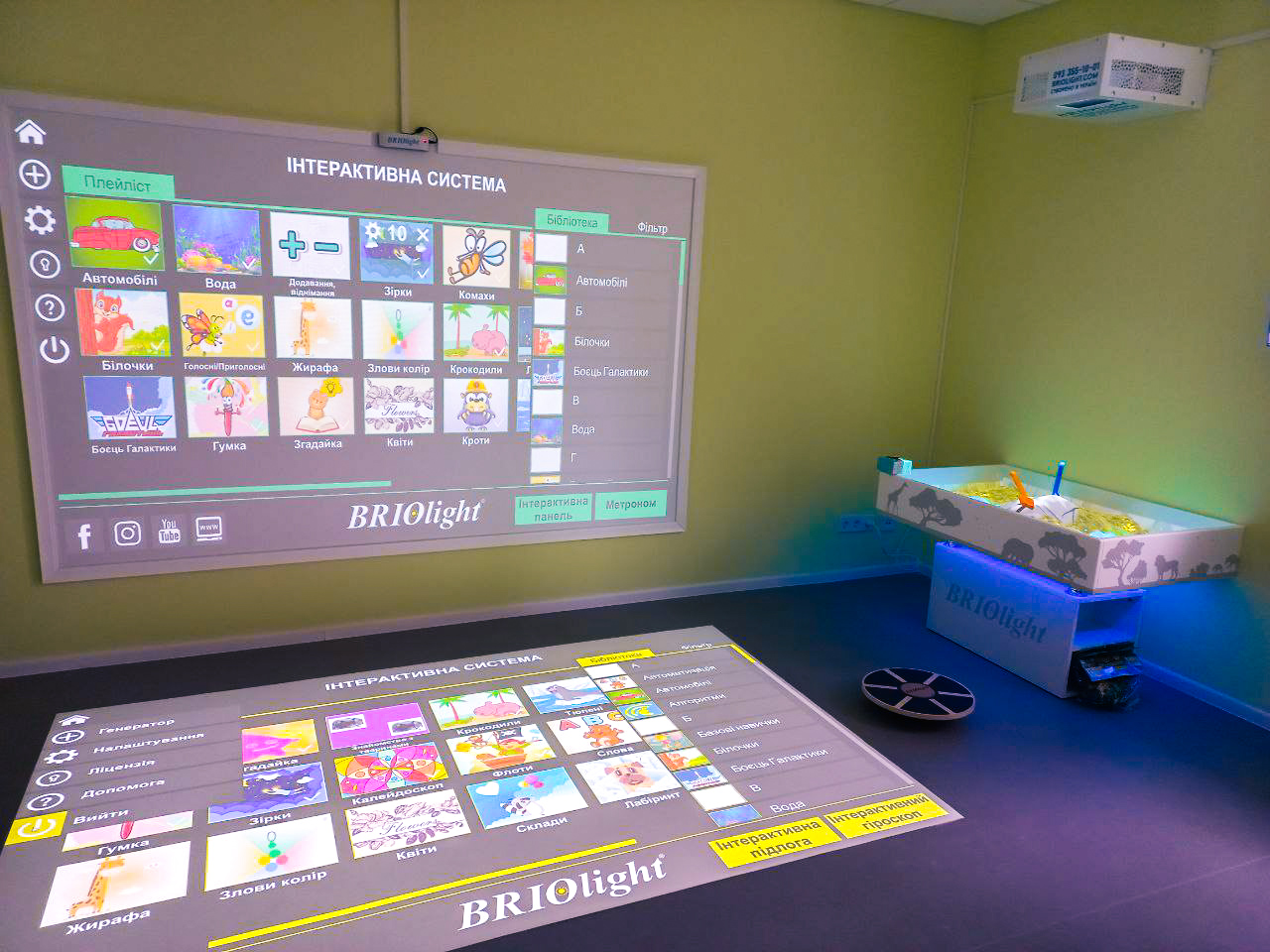
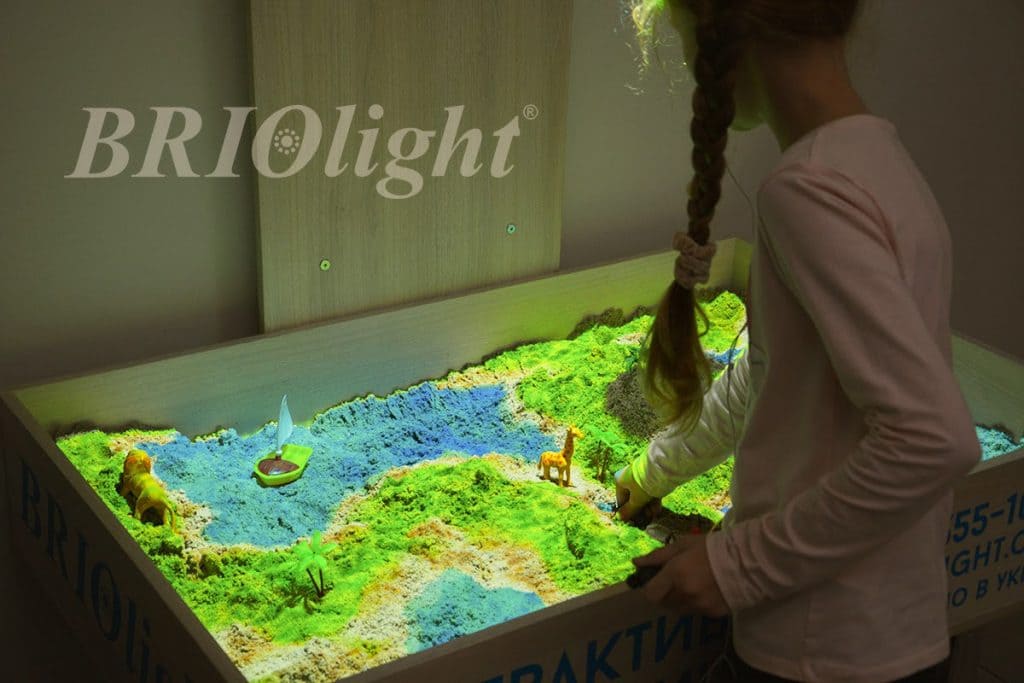
Interactive sandbox. A Briolight interactive sandbox adds projected landscapes and game-like tasks, such as finding objects and shaping terrain. Miniature animals, buildings and people can be introduced to create scenes and stories.
In guided sand play, practitioners may invite participants to construct a miniature world and then reflect on it. Different theoretical approaches interpret such work differently; a scene should not be used to infer a diagnosis or outcome without proper clinical evaluation.
Sand activities can be offered in counselling, schools, early childhood settings and specialist support centres, according to the qualifications of the practitioner and needs of participants.
The original article described an illustrative session divided into an initial conversation of about 15 minutes, sand activity for about 20 minutes, and a closing conversation for about 15 minutes. Actual duration should be tailored to the person and setting.
Interactive sand equipment can enrich creative and educational activities, but clinical claims require condition-specific evidence and appropriate professional judgement.