


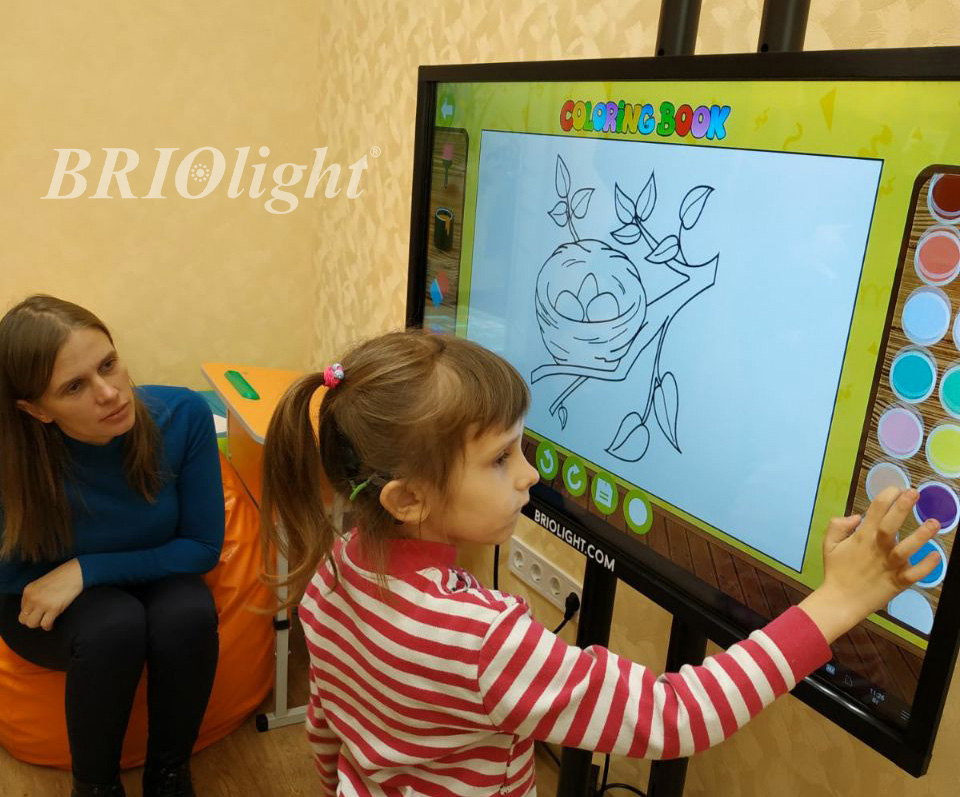
The use of interactive equipment with children is relatively recent, and it has prompted interest from educational and developmental psychologists.
The original article discusses psychologist Alexander Veraksa, known for his work in developmental psychology and educational programmes for preschool and school children, including children with disabilities.
His concept of a space for children's realisation emphasises that adults should listen to children's intentions, help them carry out their own ideas and create an environment in which those ideas are valued.
Instead of simply asking children to conform to predefined norms, the adult supports creativity, initiative and active participation. Veraksa develops this perspective in his work “Child Development: Two Paradigms”.
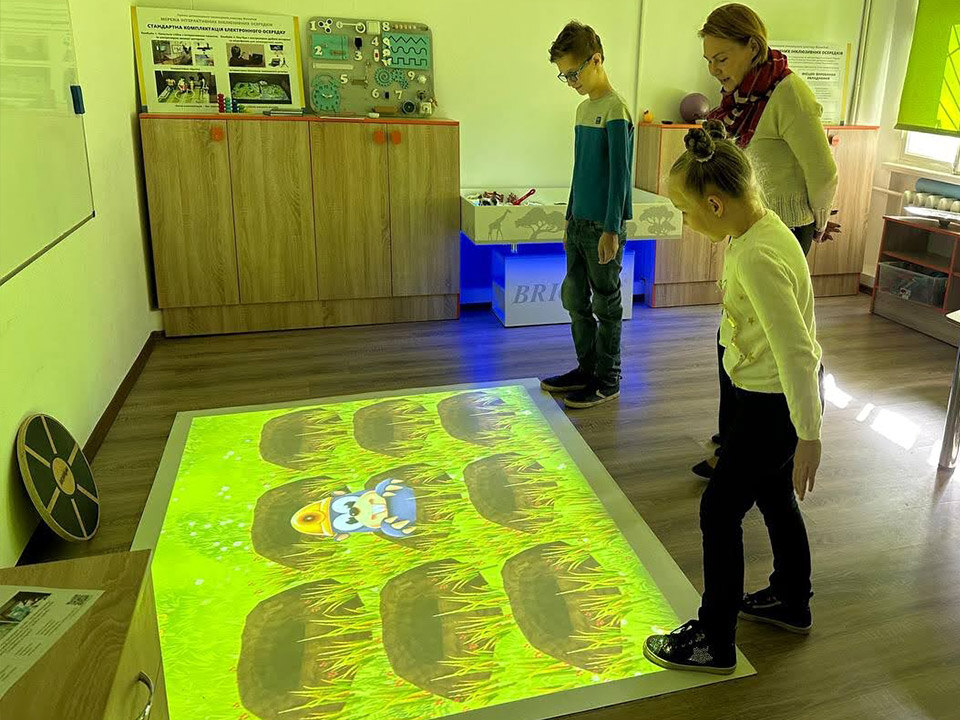
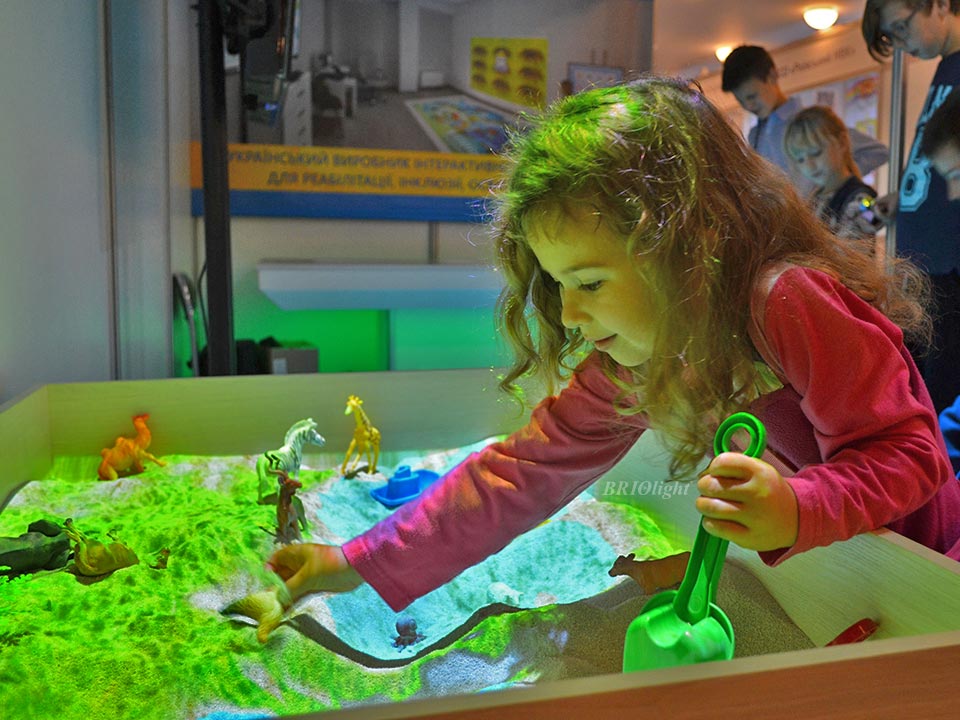
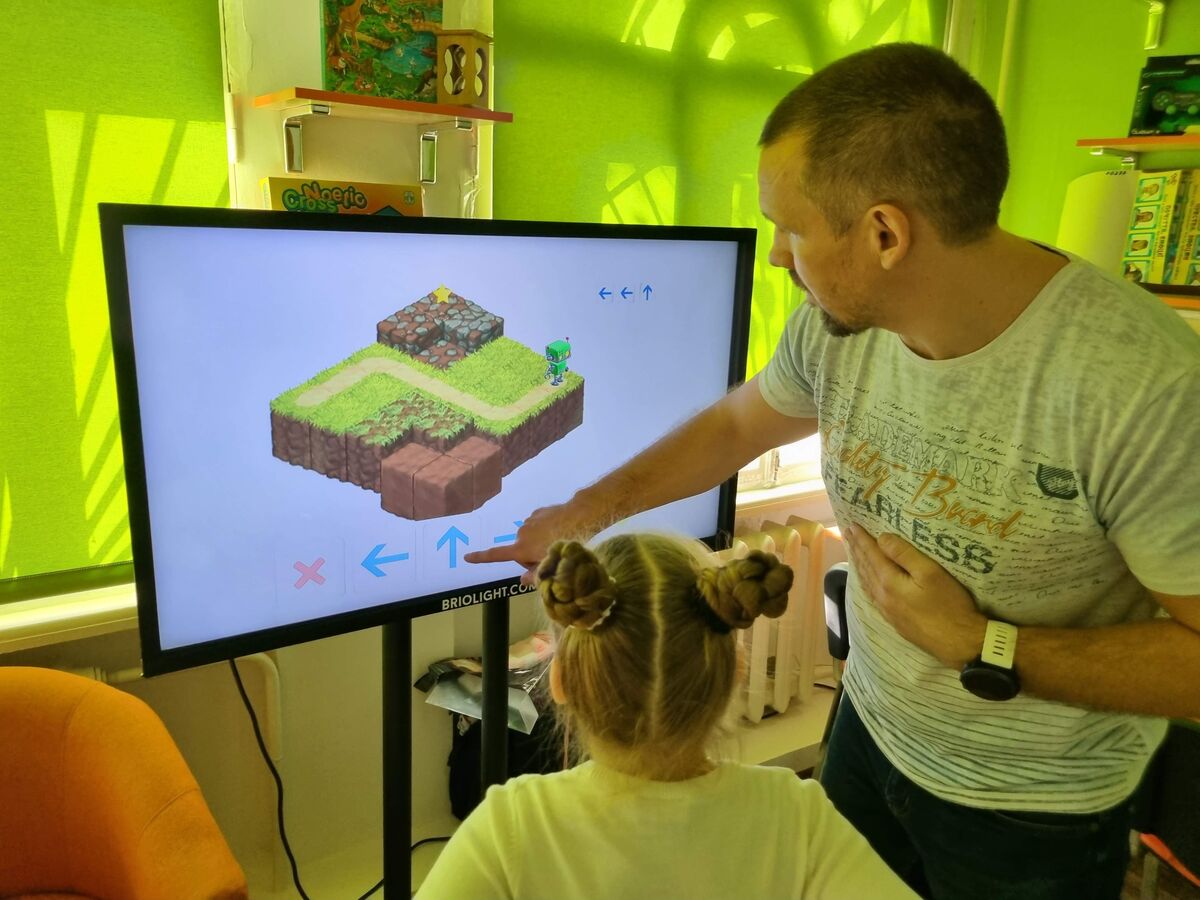
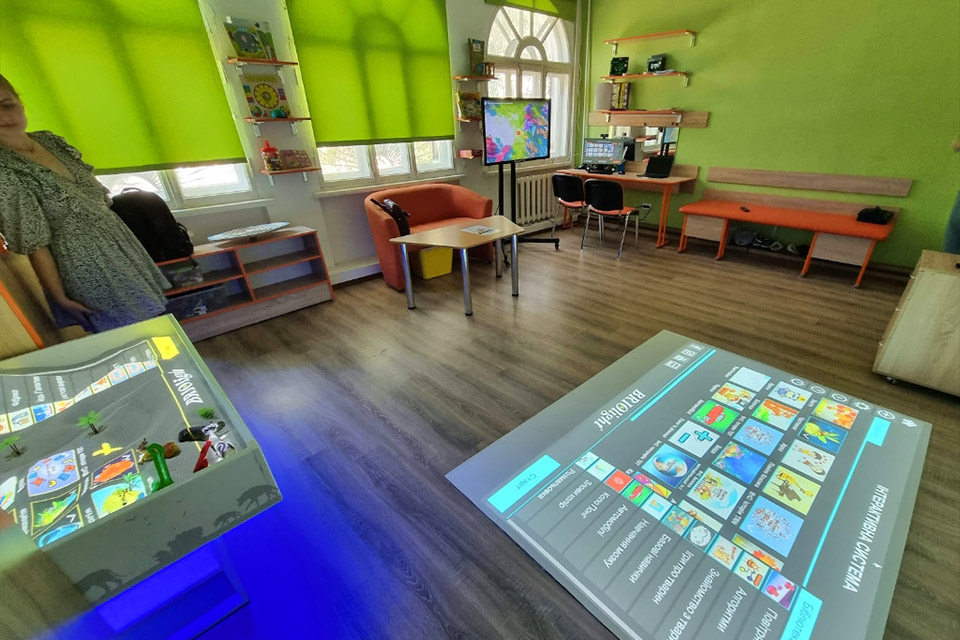
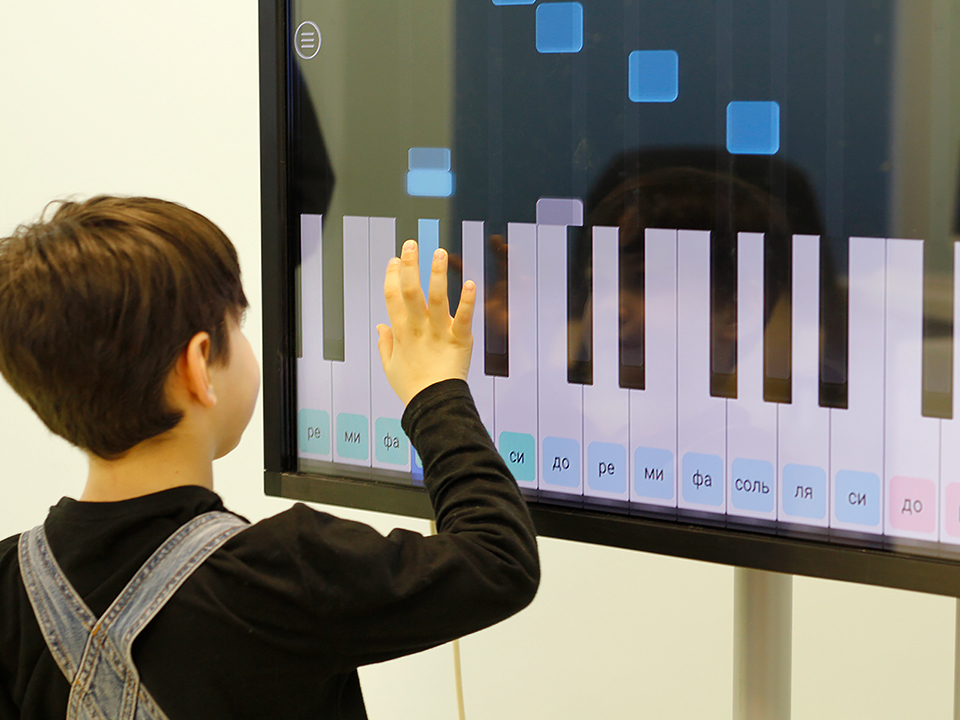
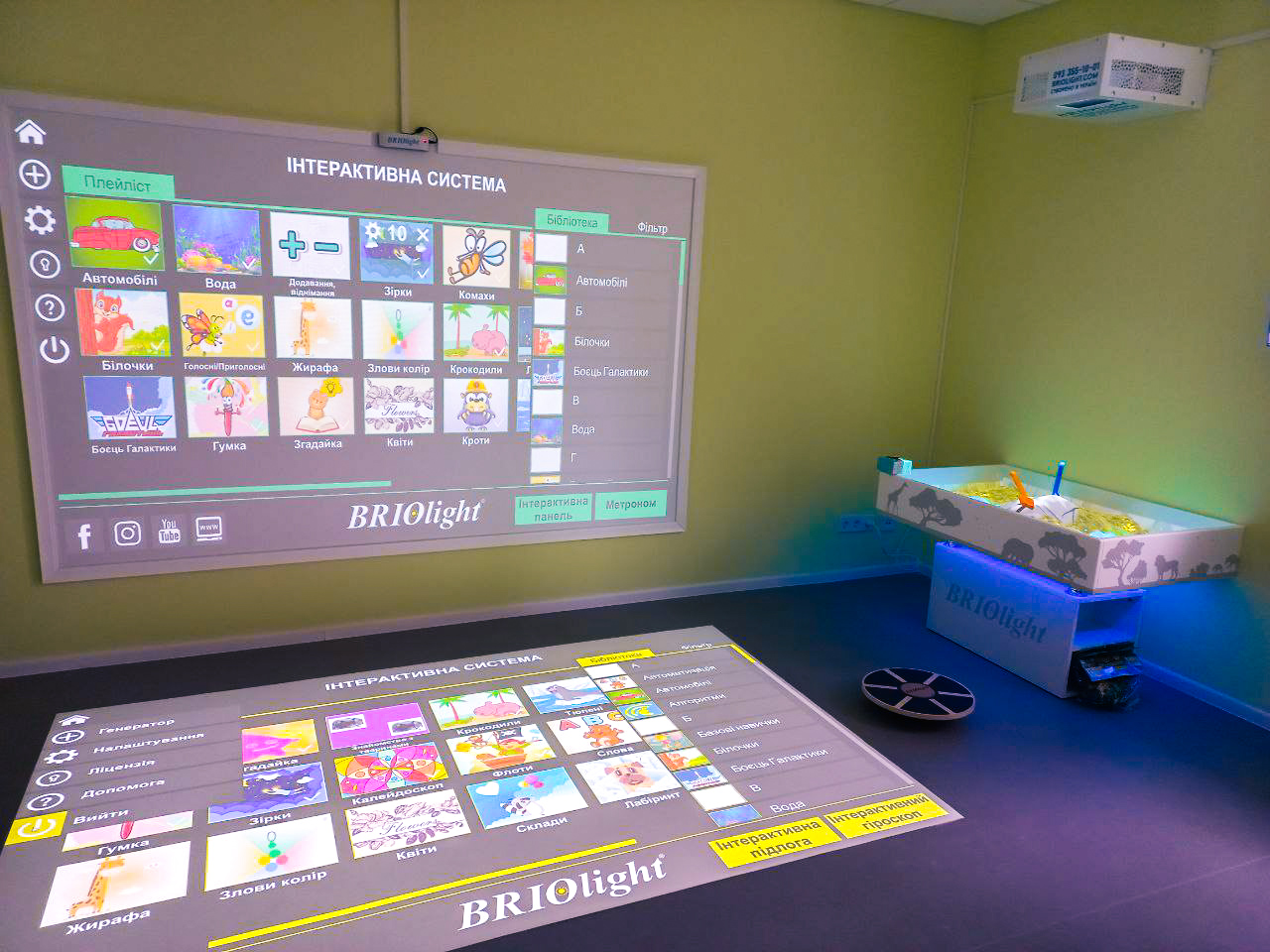
In practice, a Briolight interactive sandbox can offer such a space: children build their own worlds while a teacher or psychologist helps them expand their ideas. A projection floor, interactive panel or other interactive-room elements, such as SoundBeam or gross and fine motor skill controllers, can also encourage creative activities.
The same idea applies within families: children need opportunities to imagine and create something independently, with adults supporting the process.
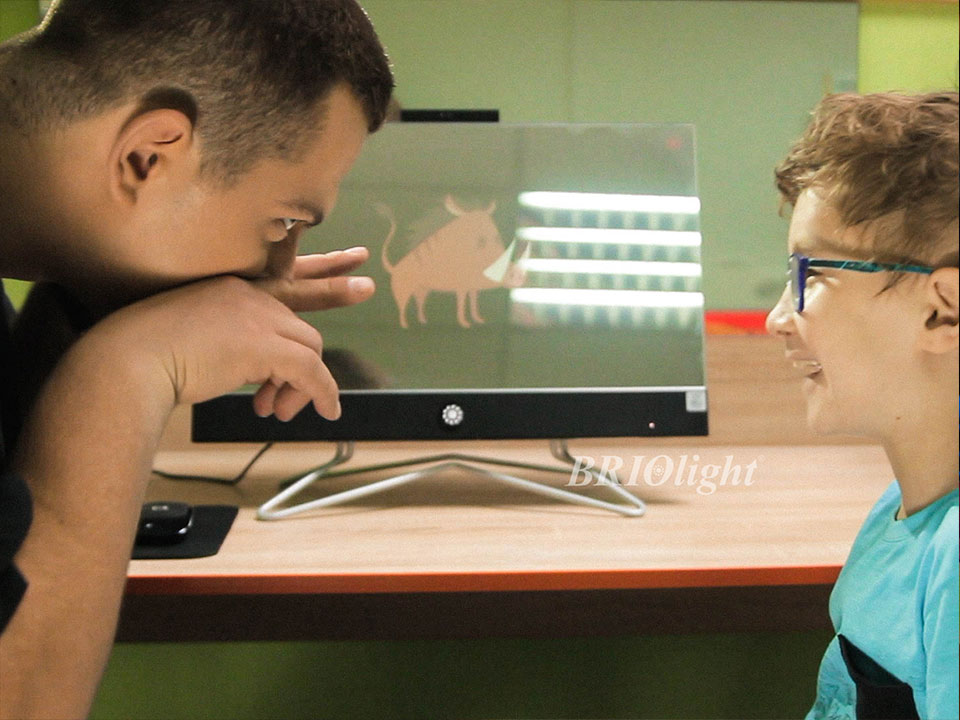
Equipping schools, Inclusive Resource Centres and developmental centres with interactive technologies can help provide varied environments for such child-led activities, from sensory rooms to individual learning devices.