


Intellectual disability is a developmental condition, not an infectious illness. Every child has individual strengths and support needs. Learning goals and expectations should be adapted to the child's abilities and circumstances.
Establish a predictable routine. Explain the difference between lessons and breaks, describe what will happen next, and use visual supports when helpful. Give the child time to become familiar with the learning environment.
Encourage progress. Recognise small achievements, avoid negative judgements when a goal has not yet been reached, and build a trusting relationship with the teacher. Children develop and adapt at different rates.
Prepare the peer group. With respect for the child's privacy, help classmates understand how to welcome a new pupil and communicate inclusively. Friendships and participation with peers are important alongside the bond with the teacher.
Teaching priorities. Use concrete examples for spatial, quantity and time concepts; practise everyday skills such as eating, dressing, hygiene and self-organisation; encourage paired or small-group work; and support comprehension, expressive communication and following instructions.
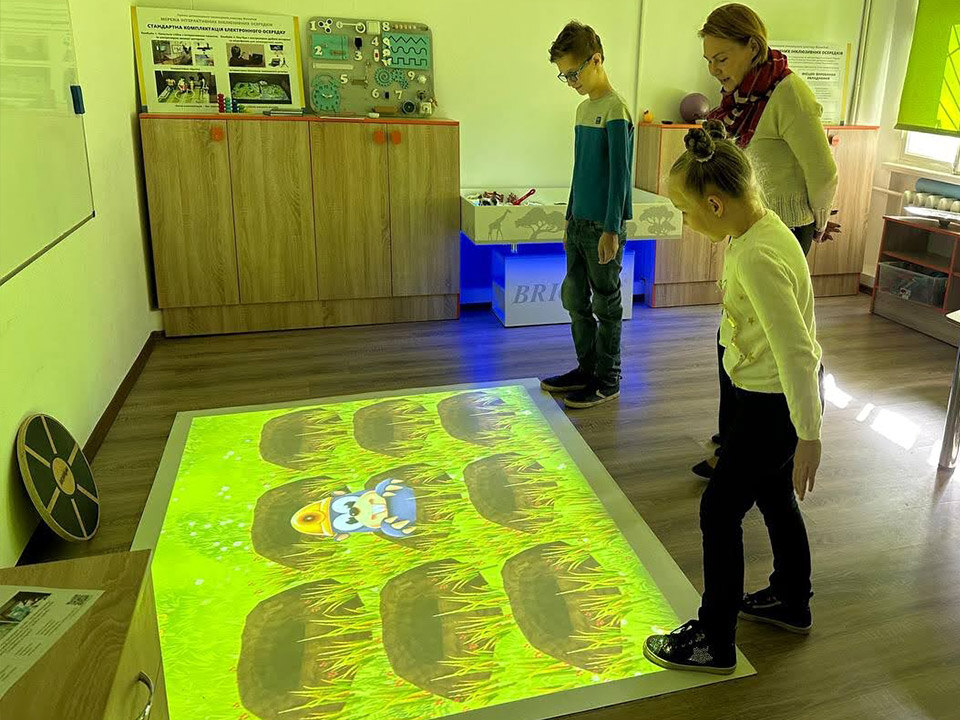
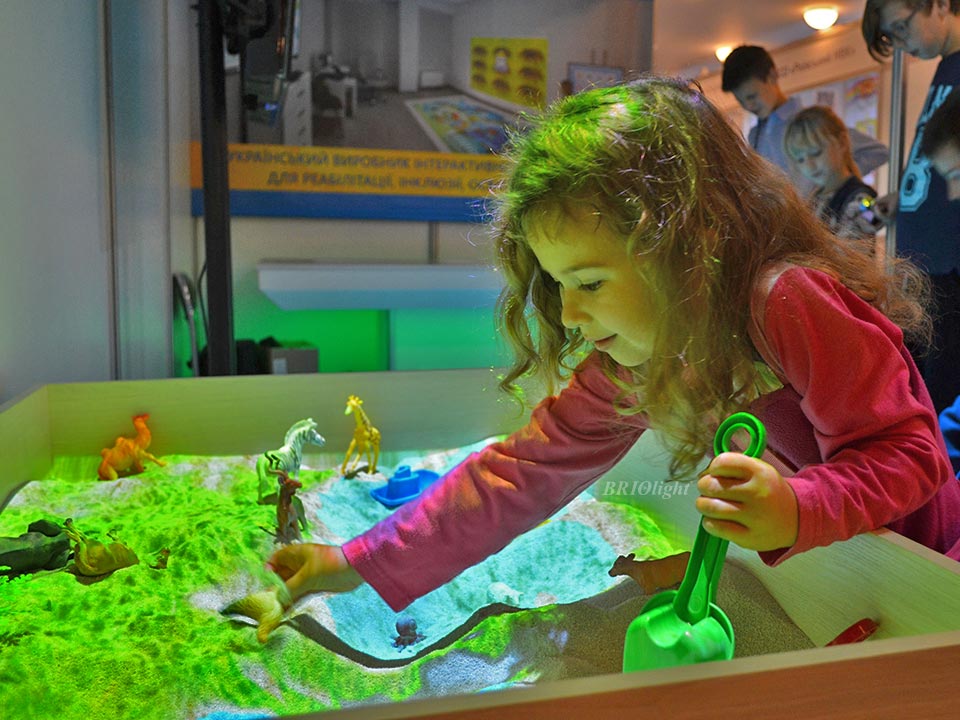
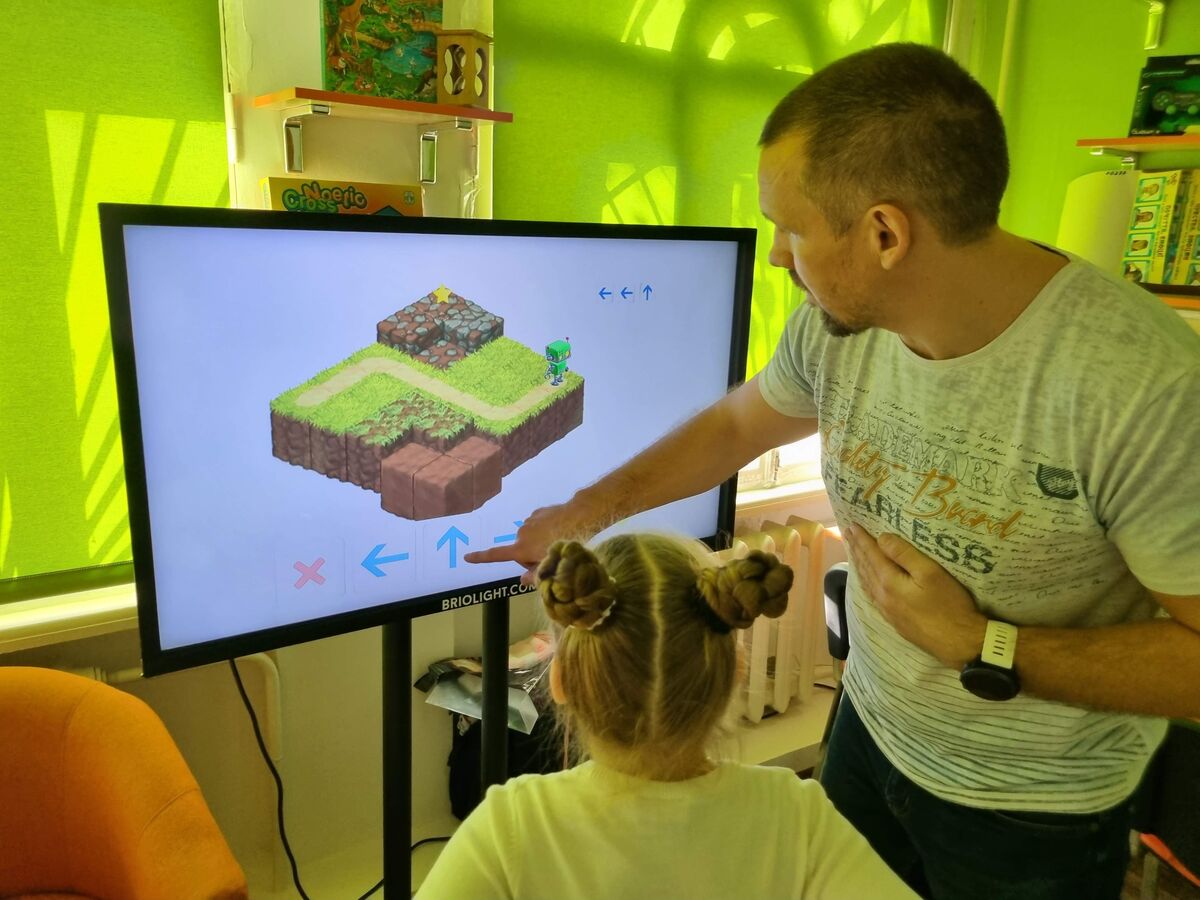
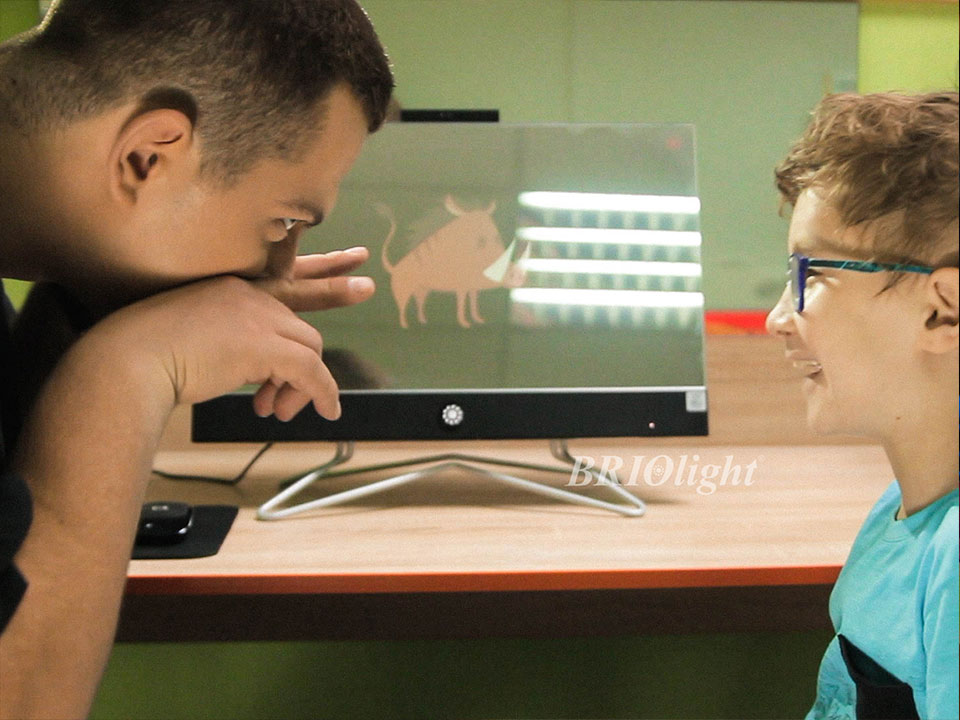
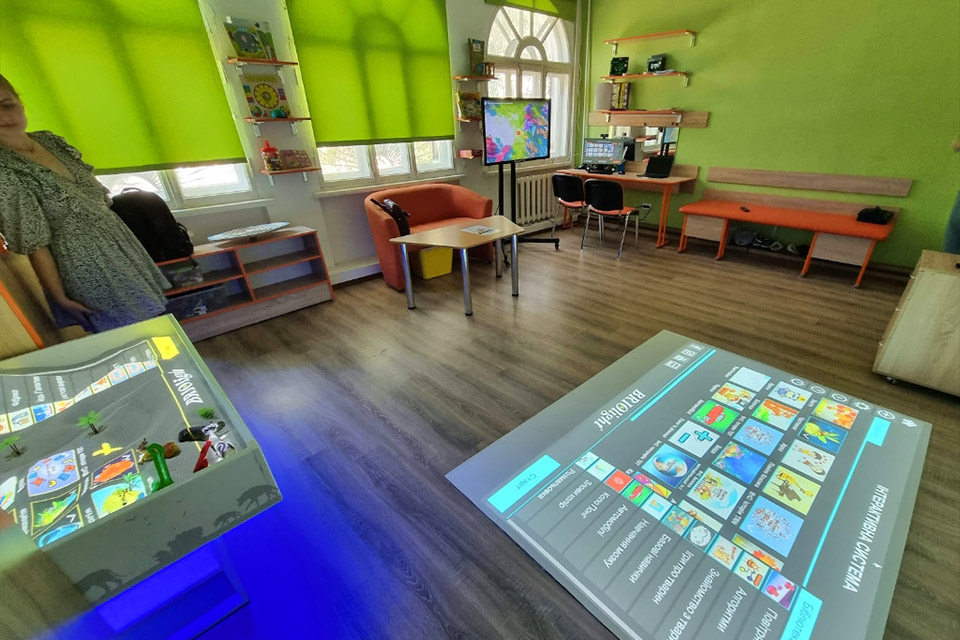
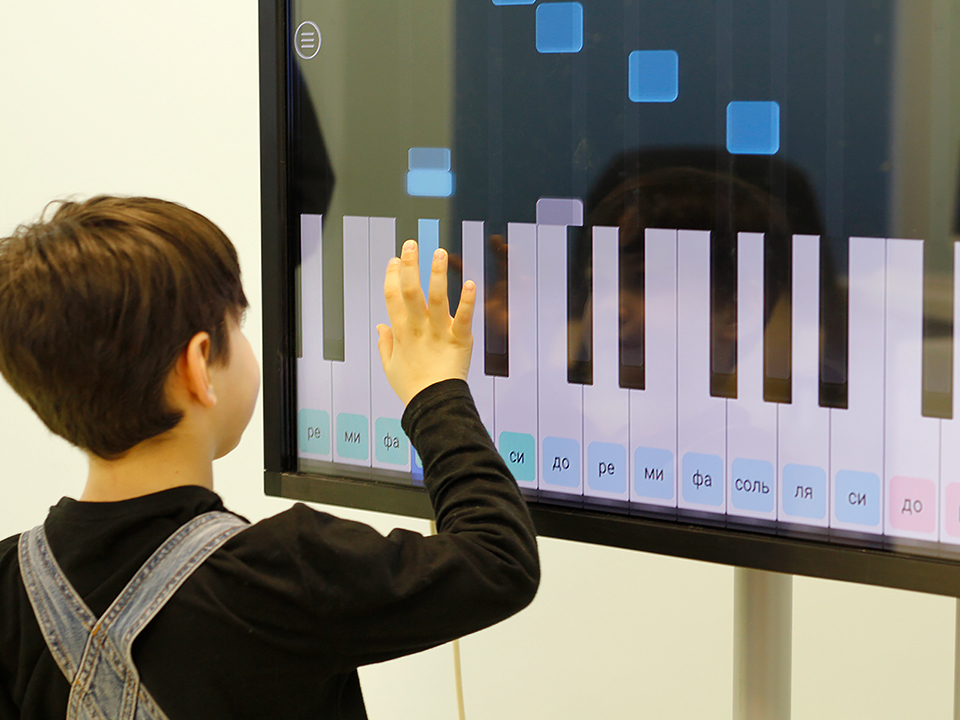
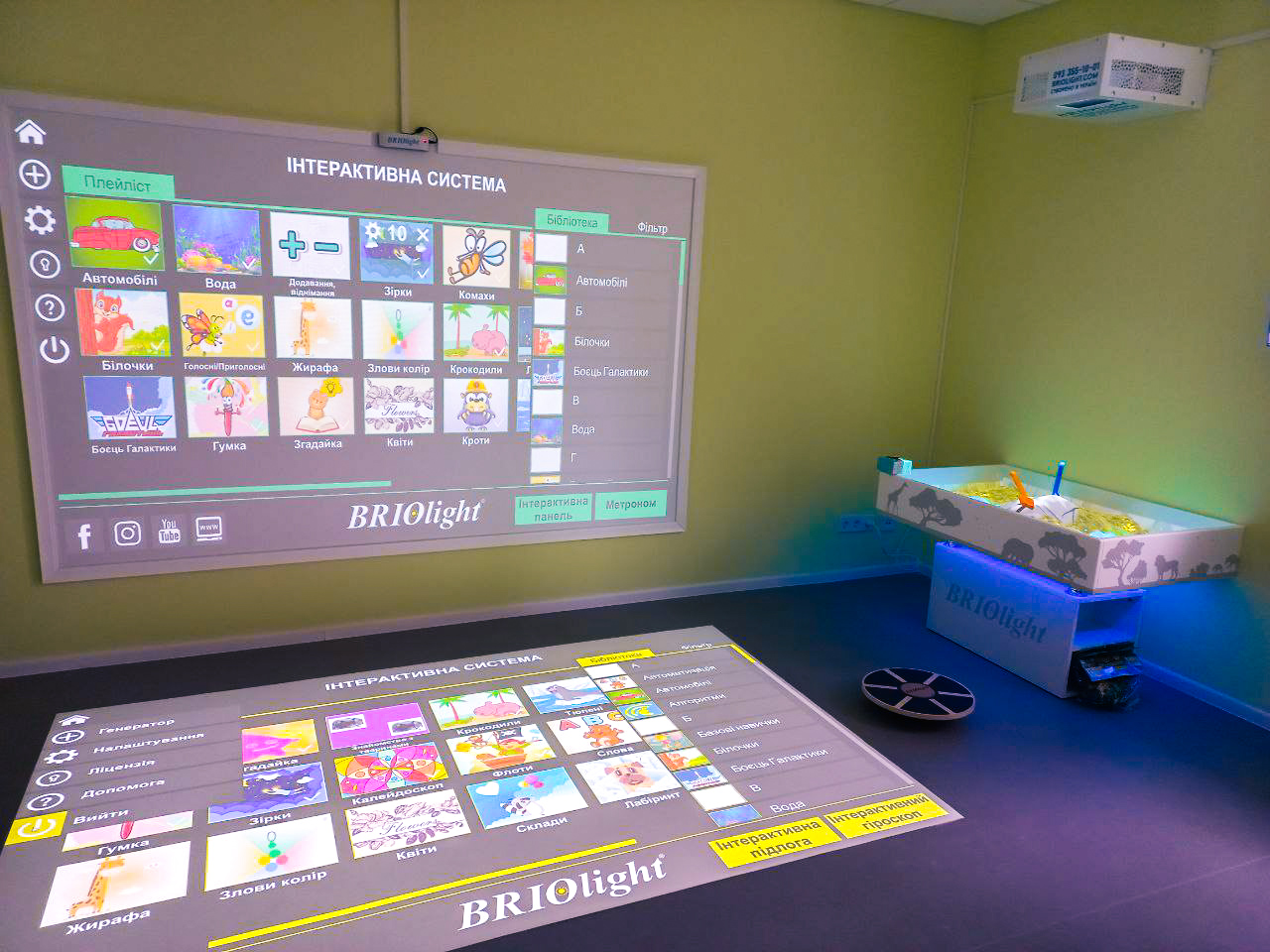
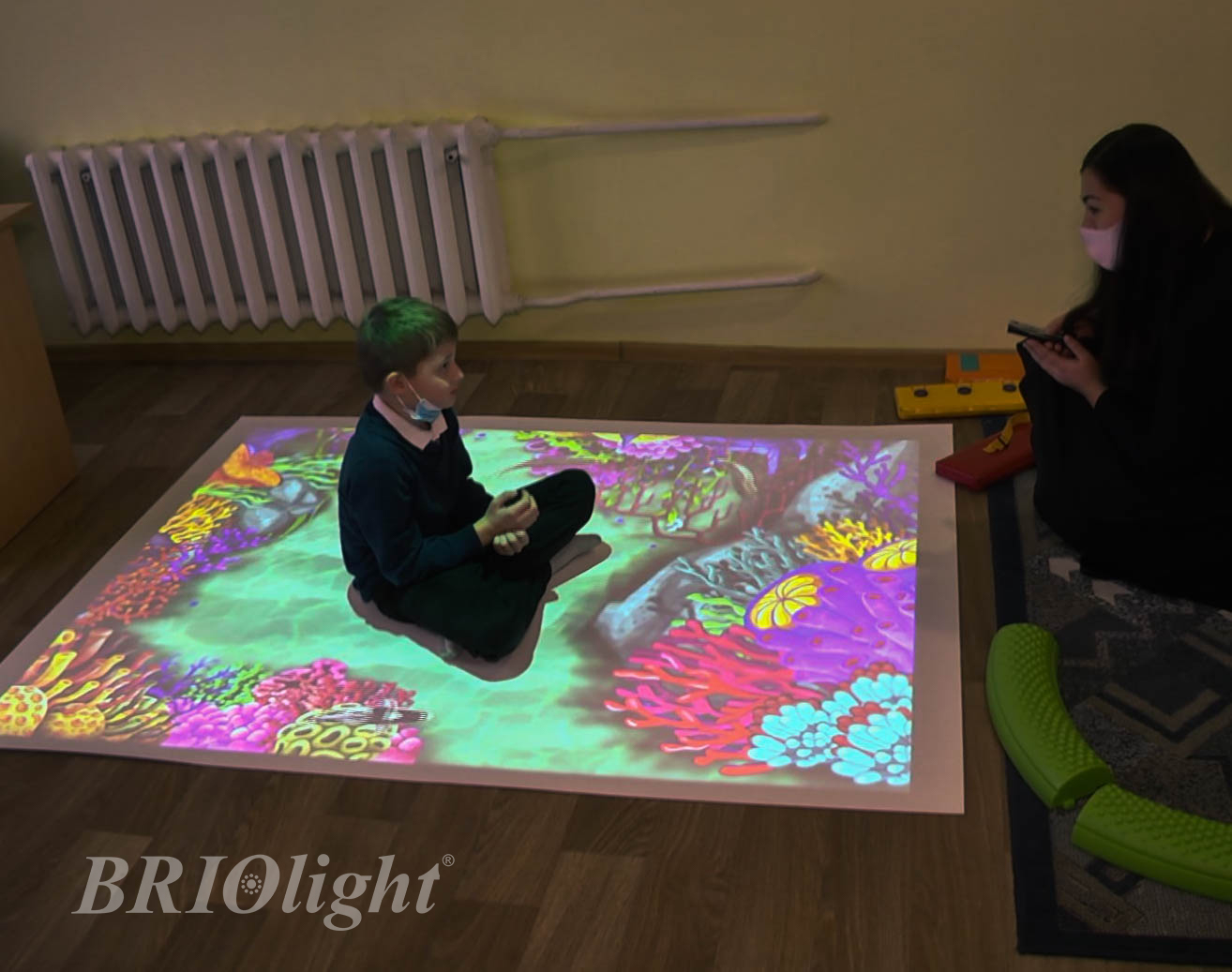
An individual education plan should guide these suggestions. Briolight has developed interactive floors, sandboxes and panels with input from educational and specialist practitioners. The equipment is a tool for teachers, not a substitute for individualised instruction.