



Originally published in the journal Social Paediatrics and Rehabilitation, this 2017 article by Briolight founder Andrii Vasyliev explores rehabilitation technology in the context of Industry 4.0.
After the industrial revolutions associated with steam, electricity and computers, the fourth introduces connected cyber-physical systems. The article argues that this transition may transform rehabilitation tools and methods.
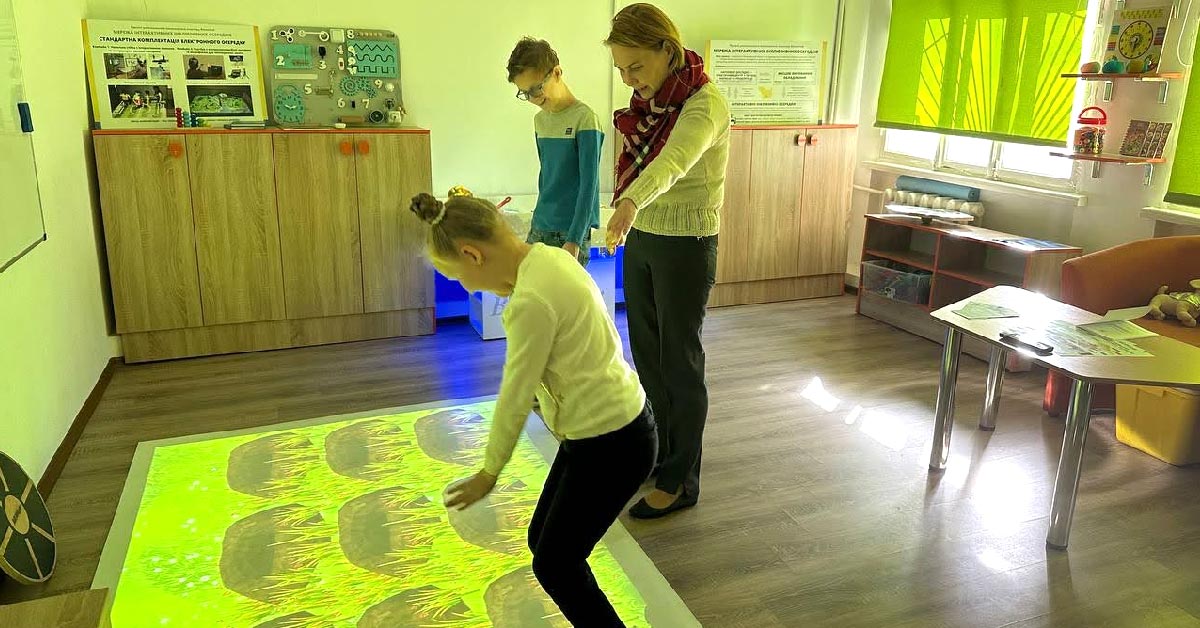
Among the most relevant trends identified were augmented and virtual reality, 3D printing and big data. Interactive environments can offer ways of presenting exercises that respond to a person's actions.
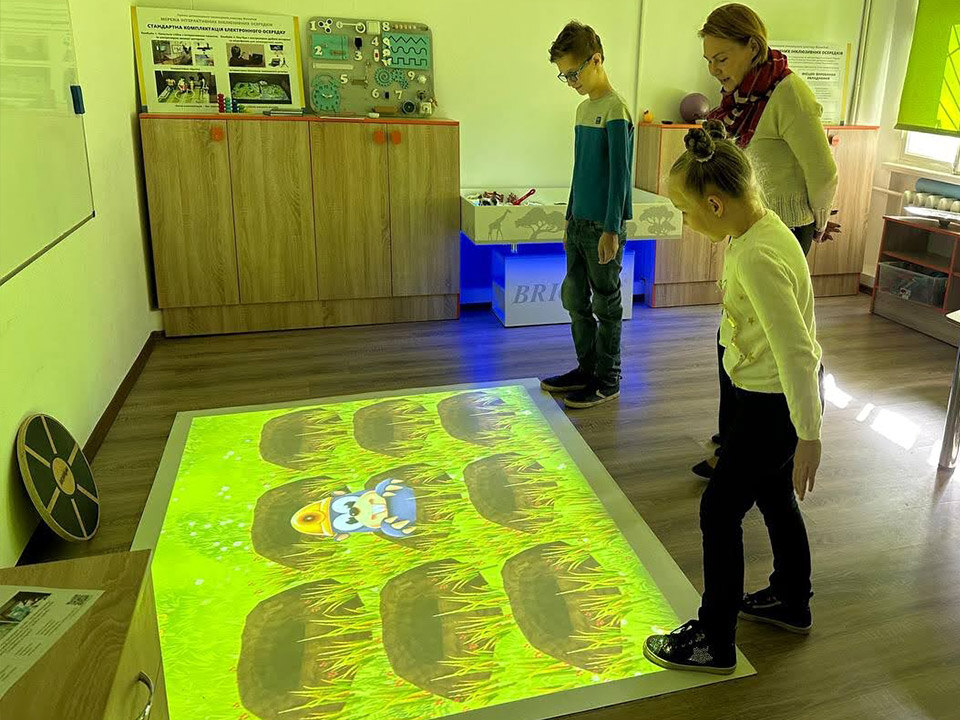
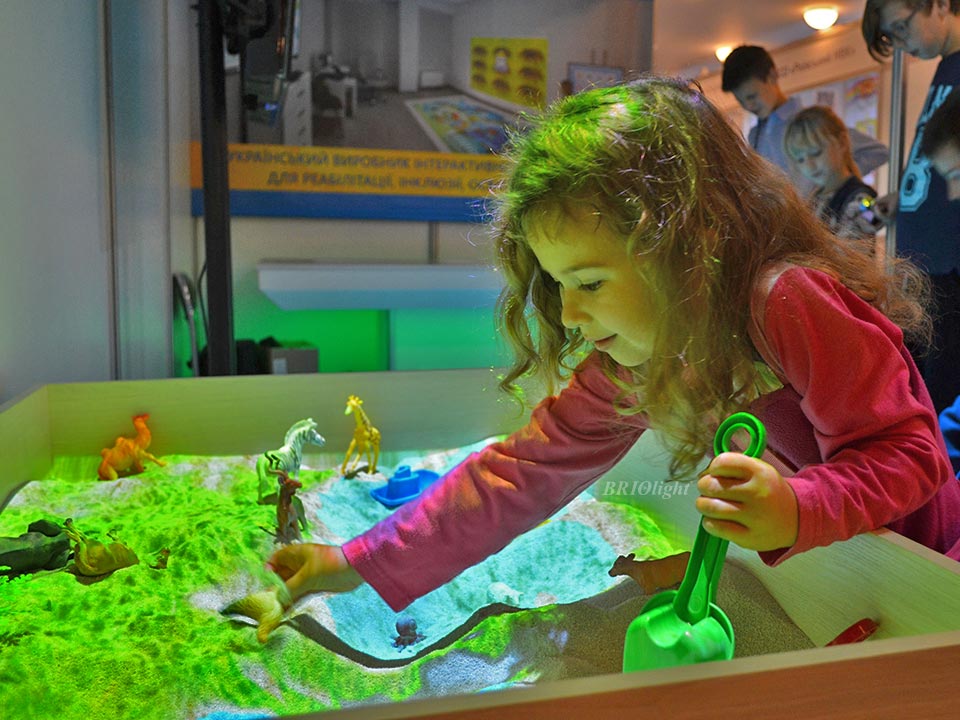
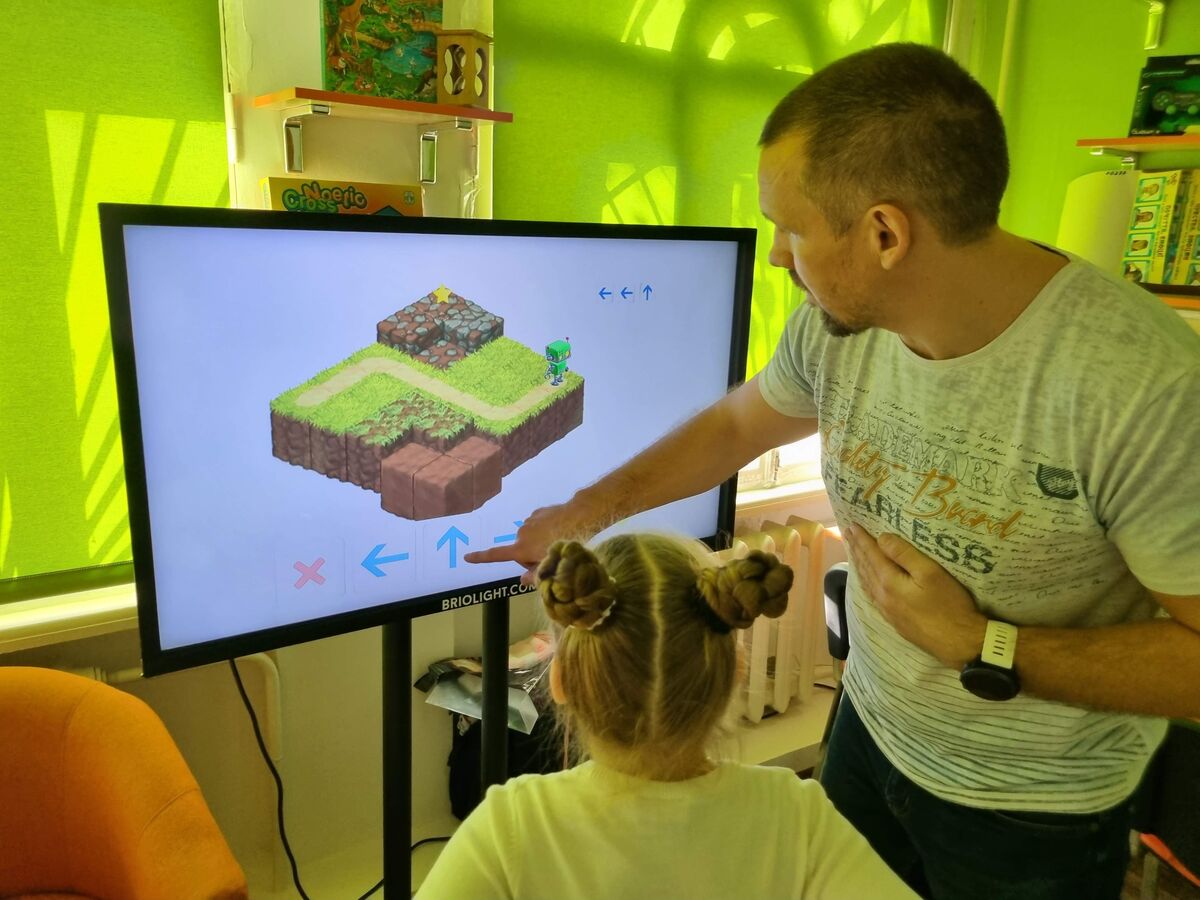
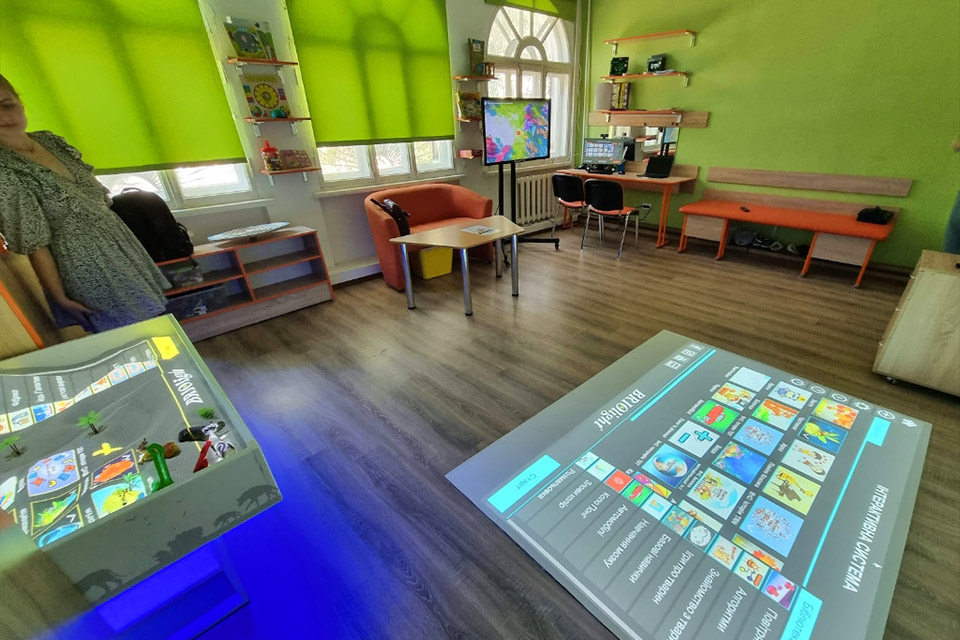
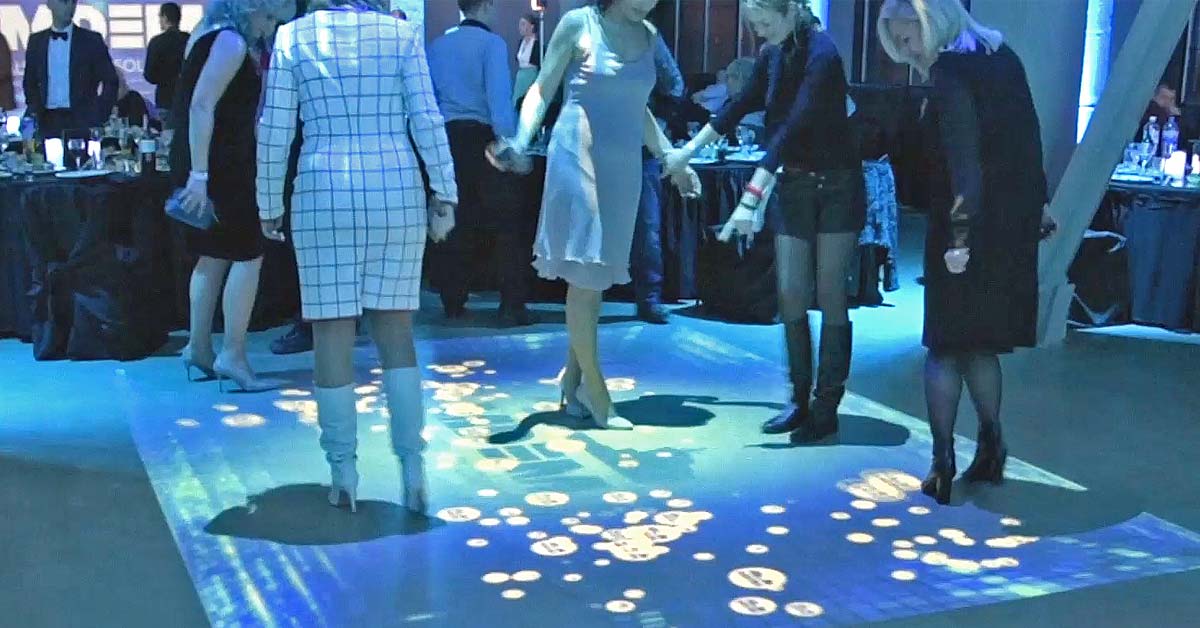
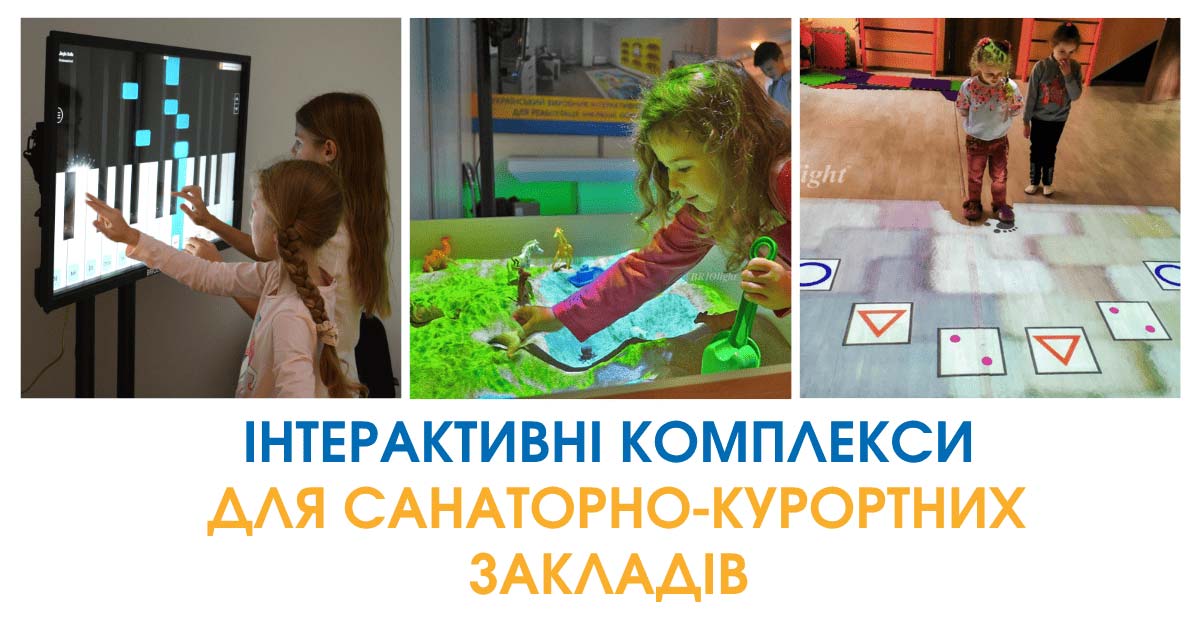
At the time, Ukrainian developments included interactive projection floors and walls, large LCD touch displays and systems based on Kinect and Leap Motion. The company was preparing an interactive sandbox and anatomical table.
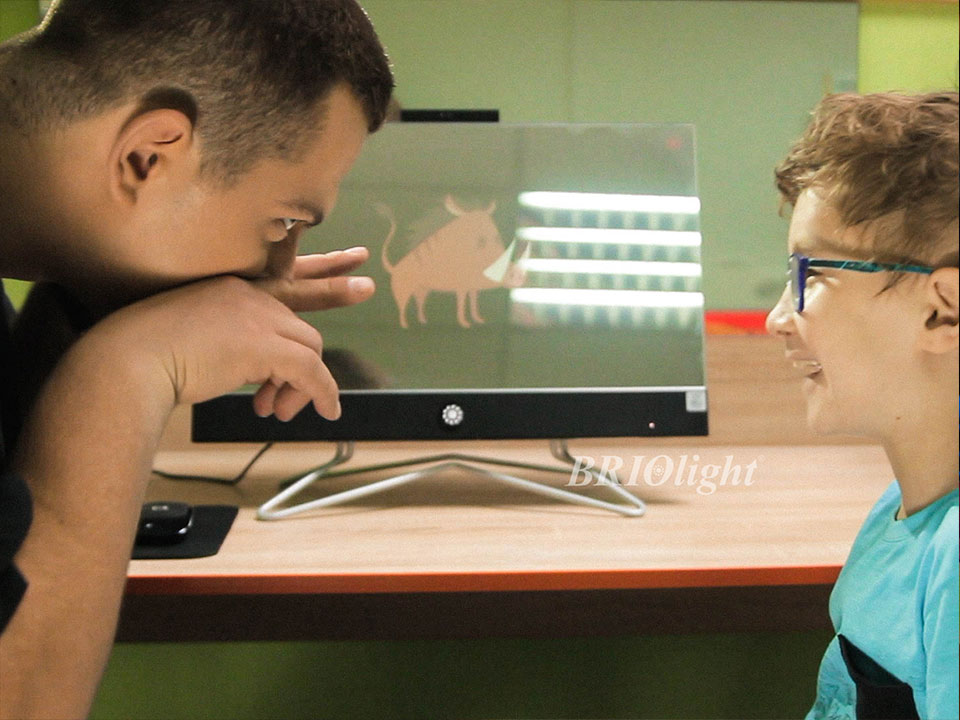
Prototypes of custom controllers could respond to pressure, light and movement. Three-dimensional printing and laser cutting enabled individually designed enclosures, buttons, joysticks and other components.
The author also envisaged collecting structured usage data for research into rehabilitation methods. Such datasets require appropriate study design, privacy protection and validation before conclusions can be drawn.
The underlying idea was collaboration: clinicians and researchers could define practical tasks for developers, while centres could configure systems around their specific objectives. This is a historical perspective rather than a claim of proven outcomes.